

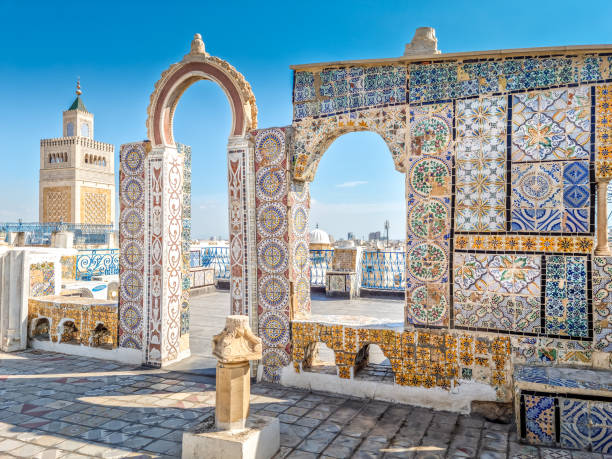
What makes Tunis, the capital city of Tunisia, a unique blend of ancient history and modern charm? How can you experience the best of Tunis travel, from the Carthage archaeological site to the vibrant Tunisian culture?
Tunis is a city that seamlessly blends ancient history with modern charm. It’s an ideal destination for those interested in exploring Tunisia’s rich cultural heritage. The famous Old City and the Carthage archaeological site are major attractions.

Introduction to Tunis
Tunis, located in the northern part of the country, is a must-visit destination. It’s perfect for anyone interested in Tunisian culture and history. The Carthage archaeological site showcases the country’s fascinating past.
Key Takeaways
- Explore the ancient history of Tunis and its Old City
- Visit the Carthage archaeological site, a major attraction in Tunisia
- Experience the unique blend of modern and ancient charm in Tunis
- Discover the rich cultural heritage of Tunisia and its vibrant culture
- Plan your Tunis travel to include the best of the city’s historic sites and modern attractions
Welcome to Tunis: Where Ancient Meets Modern
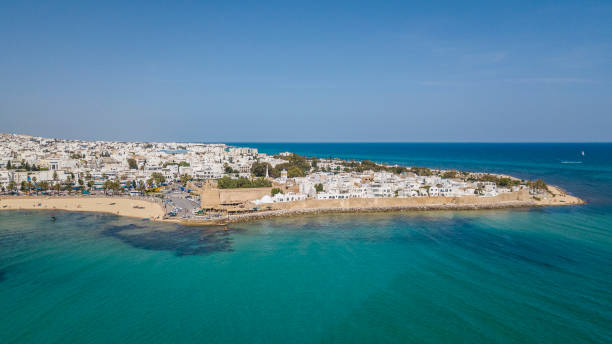
Tunis, the capital of Tunisia, is a mix of old and new. It sits by the Gulf of Tunis, offering stunning views of the Mediterranean Sea. This city has been a key spot for trade and commerce, drawing visitors from everywhere to see Tunis tourism.
The city’s location by the Gulf of Tunis helped it grow. It became a center for trade and commerce. This led to the development of Old City Tunis, with its narrow streets, lively markets, and old buildings.
Tunis is a city that combines tradition and modernity. It has something for every traveler. From its historic sites to its lively culture, visitors can enjoy the best of Tunis tourism here.
Geographic Location and Overview
- Situated on the Gulf of Tunis
- Strategic location for trade and commerce
- Breathtaking views of the Mediterranean Sea
Brief History of Tunisia’s Capital
Tunis has a long and varied history, starting in the 7th century BC. It has been shaped by cultures like the Phoenicians, Romans, and Arabs. Each has left their mark on the city’s buildings and culture.
Modern Day Significance
Today, Tunis is a bustling city with a mix of old and new. It’s a top spot for tourists, thanks to its rich history, lively culture, and natural beauty. It’s perfect for exploring Tunisian history and Old City Tunis.
The Medina of Tunis: A UNESCO World Heritage Site
The Medina of Tunis is a historic neighborhood that shows the city’s rich Tunisian culture. It’s a UNESCO World Heritage Site, making it a top spot for culture lovers. The area is filled with mosques, madrasas, and palaces, each telling a story of the city’s architectural past.
Walking through the narrow streets and alleys, you’ll hear and see the lively Medina. Highlights include the Mosque of Muhammad Bey and the beautiful Place du Gouvernement. The Medina Tunis is a true gem, filled with history and culture. It’s a key part of the city’s heritage and a UNESCO World Heritage Site.
Some of the key attractions in the Medina of Tunis include:
- Historic mosques and madrasas
- Palaces and architectural landmarks
- Narrow streets and alleys filled with shops and cafes
The Medina of Tunis is a unique and fascinating place. It gives you a peek into the city’s history and Tunisian culture. As a UNESCO World Heritage Site, it’s a must-see for anyone wanting to explore the city’s cultural treasures and feel the lively vibe of the Medina Tunis.
Exploring the Archaeological Wonders of Carthage
Carthage, an ancient city near Tunis, is full of archaeological wonders. The Carthage archaeological site has many historical landmarks. These show the rich Tunisian history and Punic heritage.
Visitors can see ancient ruins and historical museums in Carthage. The city’s location brings together different cultures. It’s a great place for those who love history.
The Antonine Baths
The Antonine Baths are a beautiful example of Roman architecture. They have intricate mosaics and well-preserved ruins. It’s a top spot for anyone interested in Tunisian history and Punic heritage.
Byrsa Hill and Its Museums
Byrsa Hill has amazing views of the countryside. It’s also where you’ll find several museums. These museums show the city’s rich cultural heritage. Visitors can see the hill’s ancient ruins and learn about Carthage’s history.
Ancient Ports and Punic Heritage
The ancient ports of Carthage show the city’s Punic heritage. Many historical landmarks and artifacts are still there. Visitors can explore the ports and learn about Carthage’s importance in the ancient world.
Tunis, Tunisia – Famous for Its Old City and Cultural Heritage
Tunis travel offers a unique experience, allowing visitors to explore the city’s rich Tunisian culture. The Old City Tunis, a UNESCO World Heritage Site, is a must-visit destination. It showcases the city’s historic neighborhood with numerous cultural landmarks.
When planning a trip to Tunis, visitors can explore the narrow streets and alleys of the Old City. They can take in the sights and sounds of this vibrant neighborhood. Attractions include the stunning Mosque of Muhammad Bey and the picturesque Place du Gouvernement.
The city’s cultural heritage is reflected in its architecture. It has a mix of Islamic and colonial influences.
Some of the top attractions in the Old City include:
- Mosque of Muhammad Bey
- Place du Gouvernement
- Medina of Tunis
For those interested in learning more about Tunisian culture, the city offers a range of museums and cultural centers. Visitors can explore the history and traditions of the city. From its ancient roots to its modern-day significance, Tunis travel is an unforgettable experience.
Architectural Marvels: From Colonial to Islamic Design
Tunisian architecture is a mix of styles, showing the city’s rich culture. It combines Islamic design, French colonial architecture, and modern styles. This mix creates a unique and interesting architectural scene.
The city’s buildings show a mix of Tunisian architecture, with Islamic and French colonial styles. You can see grand buildings with fancy facades from the French colonial era. Meanwhile, Islamic design is seen in the detailed tile work and calligraphy in mosques and madrasas.
Notable Architectural Styles
- French colonial architecture: characterized by grand buildings with ornate facades
- Islamic design: evident in intricate tile work and ornate calligraphy
- Modern architectural developments: adding a touch of modernity to the city’s skyline
Tunis’s buildings are a showcase of its cultural heritage. They blend Tunisian architecture, Islamic design, and French colonial architecture in a unique way.
Culinary Journey Through Tunis
Exploring Tunis’s culinary journey is a unique adventure. The city’s mix of Mediterranean, Arabic, and French flavors creates a special Tunisian cuisine. You’ll find everything from classic dishes like couscous and harissa to innovative fusion foods.
Walking through the city’s markets and souks, you’ll taste local treats. Enjoy mint tea and fresh orange juice. Tunis offers both traditional and modern food options. For a true taste of the city, visit the local markets.
Some must-try dishes in Tunis include:
- Brik: a fried pastry filled with tuna, eggs, and capers
- Shorba: a hearty soup with lamb, vegetables, and chickpeas
- Msemen: a traditional flatbread with meat, onions, and spices
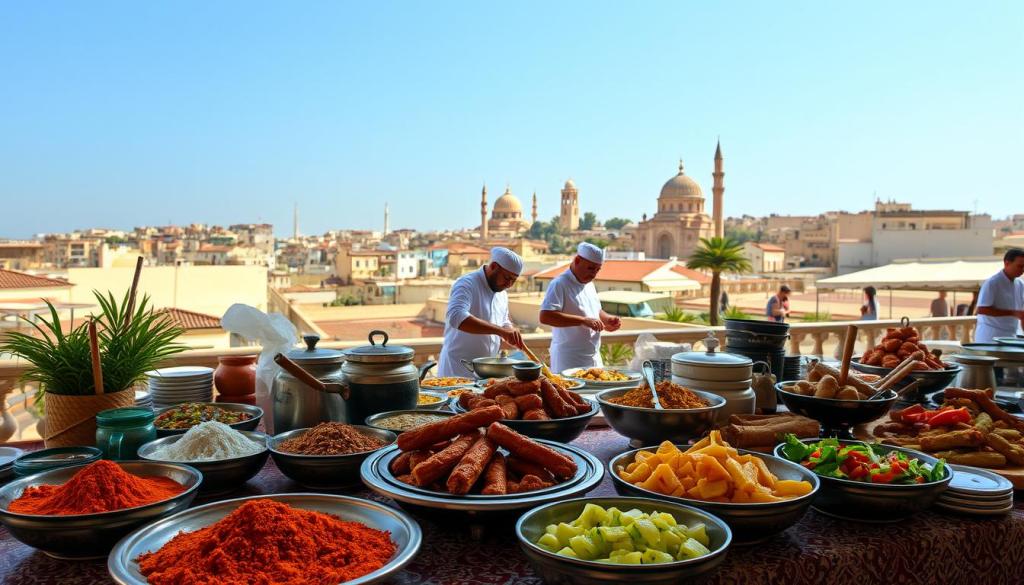
Tunis’s rich food history and new flavors will make you crave more. Start planning your Tunis travel now. Get ready for a tasty culinary journey in this lively city.
Shopping Adventures: From Souks to Modern Markets
Tunis offers a mix of old souks and new markets, making shopping exciting. The historic souks are full of traditional crafts like textiles, pottery, and jewelry. Visitors can find unique souvenirs and gifts in these lively markets.
Tunis also has modern shopping areas, like the Tunis City Mall. It has international brands and modern comforts. These markets offer a wide range of products and services in a convenient setting.
- Traditional Tunisian clothing and accessories
- Handmade crafts, such as pottery and jewelry
- Local spices and food products
When shopping in Tunis, always bargain and negotiate prices, especially in souks. This is a big part of Tunisian culture. It helps visitors save money and get the best deals.
Best Time to Visit and Weather Considerations
When planning your Tunis travel, it’s key to think about the Tunis weather. Tunis has a Mediterranean climate. This means warm summers and mild winters, making it great all year.
The best time to visit Tunis is in spring and autumn. The weather is mild and nice, perfect for outdoor fun. Summers are warm, great for the beach. Winters are mild but can be rainy, so pack right.
Here are some key points to consider when planning your visit:
- Spring (March to May) and autumn (September to November) for pleasant weather.
- Summer (June to August) for warm weather and beach activities.
- Winter (December to February) for mild temperatures but potential rain.
Knowing the Tunis weather and picking the best time to visit will make your Tunis travel better. You’ll get to see this beautiful city and all it offers.
Transportation and Getting Around
Tunis has a well-developed public transit system. It makes it easy to get around the city. Visitors can use the public transit system to explore the city’s attractions. Or, they can take a taxi for a more convenient ride.
Some popular options for getting around Tunis include:
- Using the public transit system, which includes buses and trains
- Taking a taxi, which can be hailed on the street or booked in advance
- Renting a car, which gives visitors the freedom to explore the city and surrounding areas at their own pace

Walking tours are also a great way to explore the city’s historic neighborhoods, such as the Medina. They let you take in the sights and sounds of the city. With its modern Tunis transportation system and pedestrian-friendly streets, Tunis is a great city to explore on foot or by public transit.
Accommodation Options in Tunis
When planning your Tunis travel, it’s key to look at the different places to stay. Tunis has everything from cheap hotels to fancy resorts. The city’s accommodation options fit all budgets and needs, making sure everyone has a good stay.
Travelers often pick modern hotels, boutique hotels, and traditional riads. These places offer a special experience, letting you dive into the local culture. Whether you want a fancy stay or something more affordable, Tunis has many Tunis hotels to pick from.
Here are some things to think about when picking your place to stay:
- Location: Pick a hotel in the city center for easy access to main sights or choose a quieter spot on the outskirts.
- Amenities: Think about what’s important to you, like free Wi-Fi, restaurants, or a gym.
- Price: Know your budget and find the best deal for your money.
In short, Tunis has many places to stay for every traveler’s needs and budget. By looking at location, amenities, and price, you can find the best spot for your Tunis travel. This way, you’ll have a great trip.
Safety Tips and Cultural Etiquette
When you visit Tunis, knowing the local customs is key for a great trip. Safety in Tunis is usually good, but being careful makes your visit better. It’s important to respect the culture and traditions of the place.
Visitors should wear modest clothes and take off their shoes in mosques or homes. This shows respect for the local way of life.
Knowing what not to do is important to avoid causing offense. For example, it’s best to avoid showing too much affection in public. Wearing conservative clothes, especially at religious sites, is also a good idea. Following these tips helps you connect with the locals and enjoy your stay more.
Here are some important tips for staying safe and respectful in Tunis:
- Respect local customs and traditions
- Dress modestly, especially at religious sites
- Remove shoes when entering mosques or homes
- Avoid public displays of affection
- Be careful with your belongings and stay alert
By following these simple tips, you can have a safe and fun time in Tunis. You’ll get to know the local customs and enjoy the culture. Remember, while Tunis is generally safe, being aware and respectful makes your visit even better.
Conclusion: Experience the Magic of Tunisia’s Capital
As you leave Tunis, the capital of Tunisia, you’ll remember its mix of old history and new charm. The UNESCO-listed Medina, with its narrow streets and lively markets, is a must-see. Carthage’s ancient ruins add to the city’s cultural richness, making your visit unforgettable.
Tunis is also known for its delicious food, with smells of spices and tastes of traditional dishes. The city’s buildings, from French colonial to Islamic, show its diverse culture. This makes Tunis a unique place to explore.
Visitors love Tunis for its shopping, beautiful views, and friendly people. Tunis is a place you’ll want to come back to. Let the charm of Tunisia’s capital guide you to discover more of its wonders.
FAQ
What is the geographic location of Tunis, Tunisia?
Tunis sits on the Gulf of Tunis, offering stunning views of the Mediterranean Sea. Its strategic spot has made it a key trade and commerce hub for centuries.
What is the brief history of Tunis, the capital of Tunisia?
Tunis, Tunisia’s capital, has roots dating back to the 7th century BC. It began as a Phoenician trading post and has evolved into a modern city. Today, it blends tradition with modernity seamlessly.
What is the significance of the Medina of Tunis as a UNESCO World Heritage Site?
The Medina of Tunis is a UNESCO World Heritage Site. It’s a historic neighborhood that showcases the city’s rich culture. The area is filled with mosques, madrasas, and palaces, each highlighting the city’s architectural heritage.
What are the key archaeological wonders of Carthage, located just outside Tunis?
Carthage, near Tunis, is filled with ancient wonders. The Antonine Baths show off Roman architecture. Byrsa Hill and its museums, along with Carthage’s ancient ports, are must-sees for history buffs.
What are the architectural marvels of Tunis, reflecting its cultural heritage?
Tunis’s buildings reflect its diverse culture. You’ll see Islamic, French colonial, and modern styles. The city’s architecture is a mix of old and new, showing its rich heritage.
What are the highlights of Tunis’s culinary scene?
Tunisian food is a mix of Mediterranean, Arabic, and French flavors. You can try traditional dishes like couscous and harissa. Modern fusion cuisine is also popular, offering something for every food lover.
What are the shopping opportunities in Tunis, from traditional souks to modern markets?
Tunis offers both traditional souks and modern markets. You can find traditional crafts in the souks. Modern shopping areas have international brands and amenities.
What is the best time to visit Tunis and what are the weather considerations?
Spring and autumn are the best times to visit Tunis. The weather is mild and pleasant. Summers are warm, and winters are mild but rainy, so pack accordingly.
What are the transportation options and guidelines for getting around Tunis?
Tunis has a good public transport system, including buses and taxis. Car rentals and walking tours are also options. Walking tours are a great way to see historic areas and landmarks.
What are the accommodation options available in Tunis?
Tunis has many places to stay, from budget hotels to luxury resorts. You can choose from modern hotels, boutique hotels, or traditional riads. Each offers a unique experience.
What are the important safety tips and cultural etiquette to keep in mind when visiting Tunis?
Tunis is generally safe, but knowing local customs is important. Dress modestly and remove shoes in mosques or homes. Follow safety guidelines like avoiding crowded areas and keeping valuables secure.



WELCOM>>Give a rating for my site