

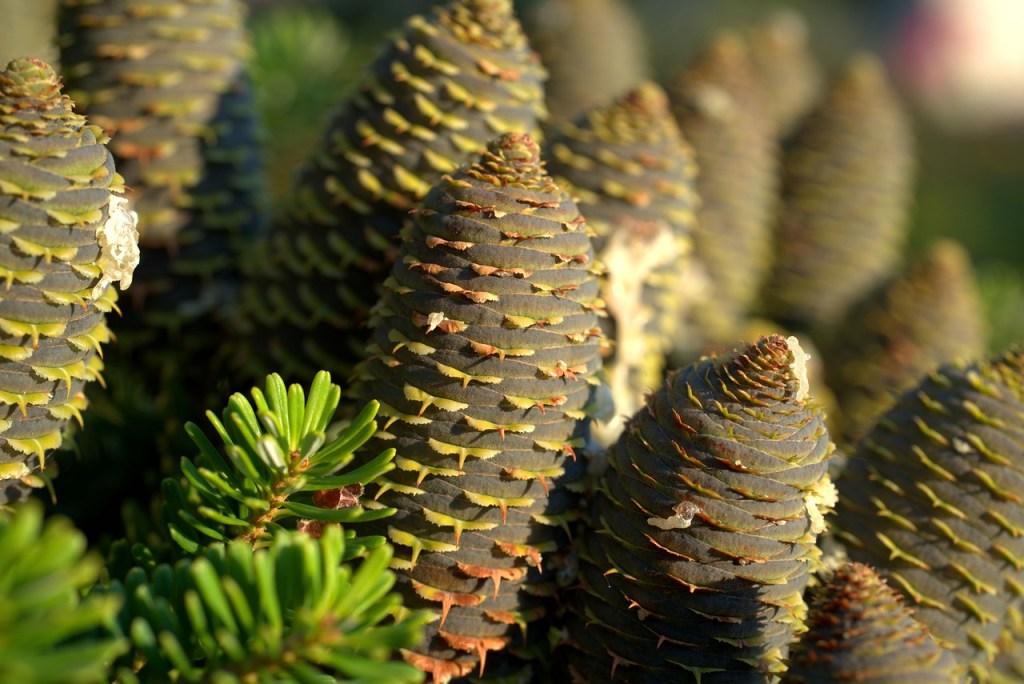


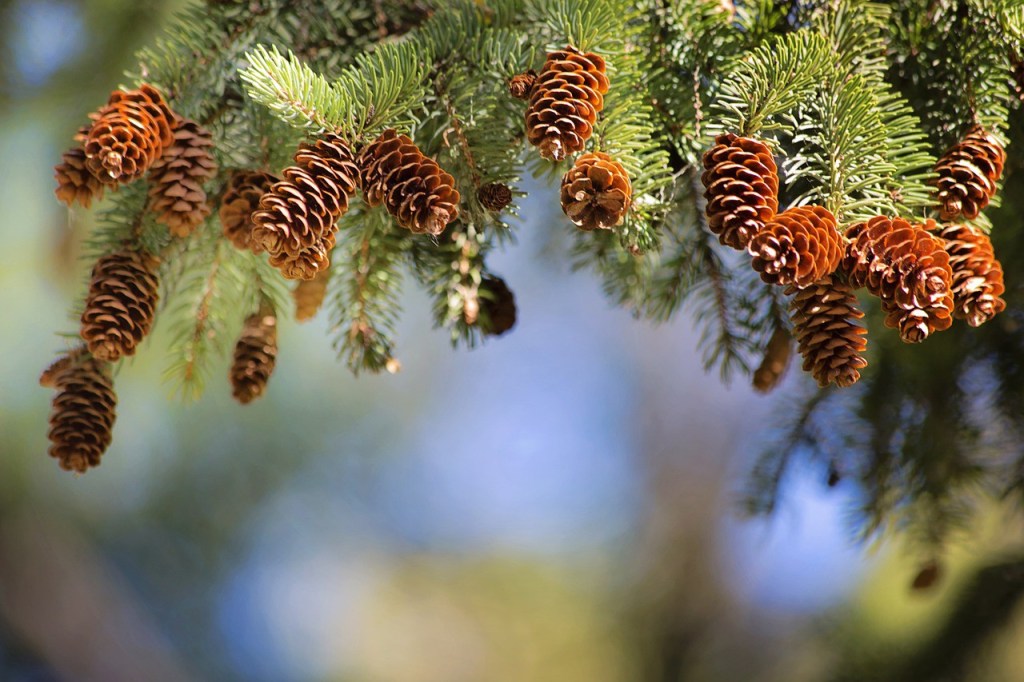
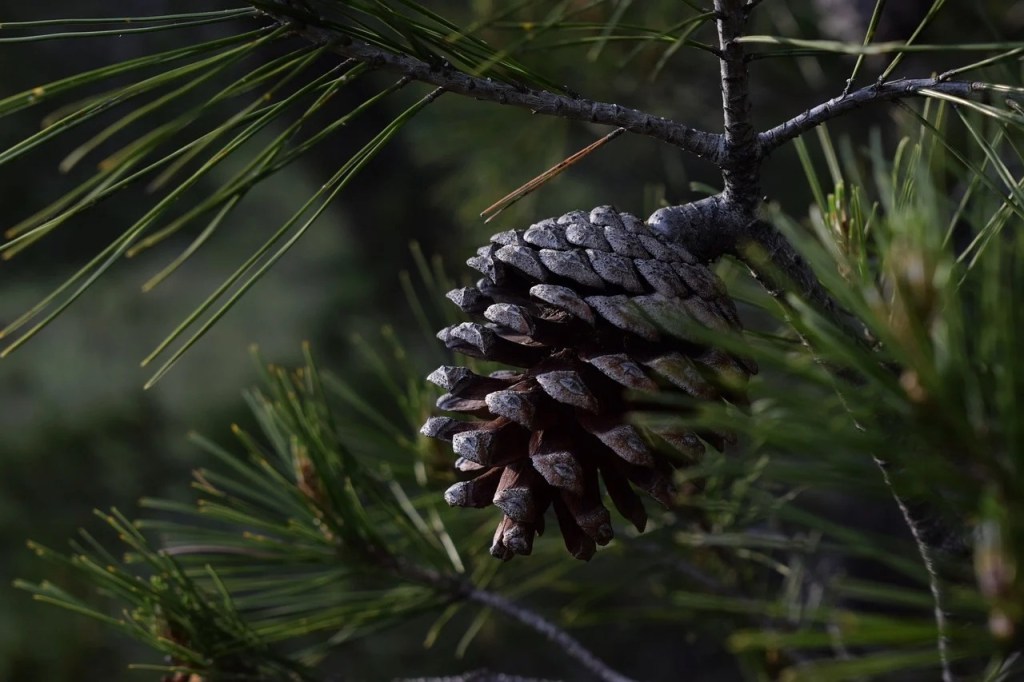
Pine trees~ belonging to the genus Pinus/ are among the most widely distributed and economically significant tree species in the world. Found across the Northern Hemisphere and extending into tropical areas in the Southern Hemisphere/ pine trees are valued not only for their ecological roles but also for their extensive industrial and medical applications.Habitats of Pine TreesPine trees thrive in a variety of habitats_ from mountainous regions to coastal plains, displaying remarkable adaptability. Some key habitats include:Boreal Forests (Taiga): Dominated by conifers_ these forests stretch across Canada: Scandinavia_ and Russia. Species like the Scots pine (Pinus sylvestris) are common.Temperate Forests: In regions like the eastern United States and Europe_ pines such as the Eastern white pine (Pinus strobus) are prevalent.Mountainous Areas: Pines are well-adapted to high altitudes. The Bristlecone pine (Pinus longaeva)_found in the western United States: is known for its longevity and resilience.Coastal Areas: Some species, like the Monterey pine (Pinus radiata)_ are adapted to coastal environments, thriving in sandy soils and salty air.Mediterranean Regions: The Aleppo pine (Pinus halepensis) and Stone pine (Pinus pinea) are typical of the Mediterranean climate_ characterized by hot, dry summers and mild, wet winters.Industrial Benefits of Pine TreesPine trees are invaluable to various industries due to their versatile wood, resins, and other by-products. Key industrial applications include:Lumber and Construction: Pine wood is widely used in construction for framing_ flooring_ and furniture due to its strength_ ease of working_ and availability. Softwoods like the Eastern white pine and Southern yellow pine are particularly favored.Paper Production: The pulpwood from pines is a primary raw material for the paper industry. The long fibers of pine wood contribute to the strength and quality of paper products.Resins and Turpentine: Pine resins are tapped to produce turpentine. rosin, and pitch_ which are used in varnishes_ adhesives, and sealants. Turpentine is also used as a solvent and in the chemical industry.Pine Oil: Extracted from pine needles_ this essential oil is used in cleaning products, disinfectants, and air fresheners due to its pleasant aroma and antibacterial properties.Charcoal and Biofuel: Pine wood is used to produce charcoal_ a traditional fuel source. Advances in biofuel technology also explore pine biomass for sustainable energy production.Medical Benefits of Pine TreesPine trees offer a range of” health “benefits.
both in traditional remedies and modern medical applications:Pine Bark Extract (Pycnogenol): This extract derived from the bark of the maritime pine (Pinus pinaster) is rich in antioxidants. It is used to improve cardiovascular health: reduce inflammation. and enhance skin health.Pine Needle Tea: Traditional cultures have used pine needle tea as a remedy for respiratory issues. colds, and flu. The tea is rich in vitamins A and C: boosting the immune system.Essential Oils: Pine essential oil, with its antiseptic and anti-inflammatory properties, is used in aromatherapy_ massage oils, and topical applications to treat skin conditions, muscle pain, and respiratory ailments.Pine Pollen: Rich in vitamins, minerals, and amino acids_ pine pollen is consumed as a dietary supplement to boost energy_ support hormonal balance, and enhance overall vitality.Wound Healing: Pine resin has been used traditionally to treat wounds and prevent infections. Modern studies support its antimicrobial properties_ highlighting its potential in topical treatments.Ecological and Environmental ImportanceBeyond their economic and medical benefits, pine trees play crucial roles in their ecosystems:Soil Stabilization: The extensive root systems of pines help prevent soil erosion_ particularly in sandy or loose soils.Carbon Sequestration: Pine forests act as significant carbon sinks.
helping mitigate climate change by absorbing CO2 from the atmosphere.Biodiversity: Pine forests provide habitats for diverse flora and fauna. supporting complex ecosystems.Fire Ecology: Some pine species, like the lodgepole pine (Pinus contorta)”are adapted to fire-prone environments. Their cones require heat from fires to release seeds, promoting regeneration.ConclusionPine trees, with their extensive habitats_ versatile industrial applications, and numerous health benefits_: are indeed wonders of the natural world. Their ability to adapt to diverse environments: coupled with their economic and ecological importance, underscores their value. From the construction site to the medicine cabinet” pine trees continue to play a vital role in human life and the health of our planet.



Leave a Reply to KK Cancel reply