


إذا كان بمقدورك إعادة ديناصور واحد إلى الحياة، فما سيكون؟


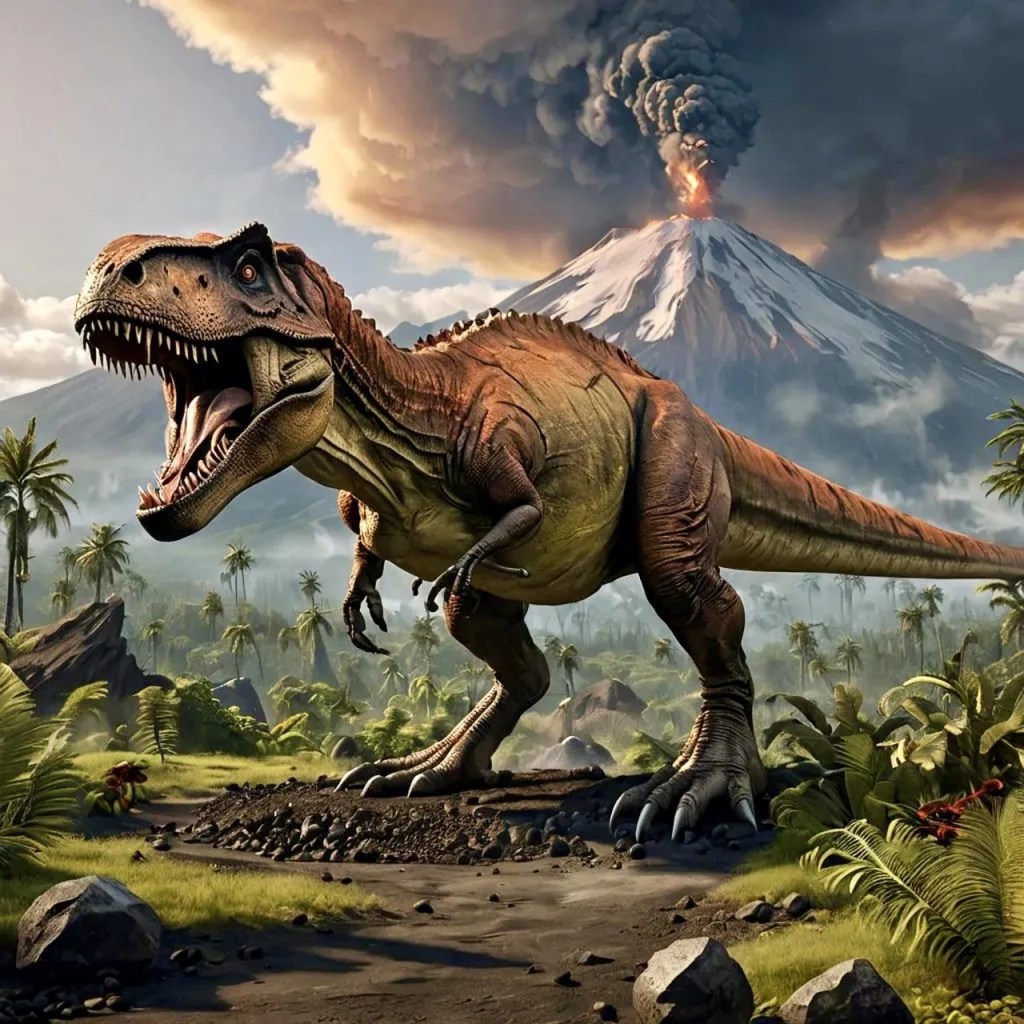
If given the opportunity to bring one dinosaur back to life, the decision would not be an easy one. The vast array of dinosaur species that once roamed the Earth presents a multitude of options, each with its own unique characteristics and significance. However, after careful consideration, the dinosaur that would be chosen to be resurrected is the Tyrannosaurus rex.
The Tyrannosaurus rex, often referred to as the “king of the dinosaurs,” is one of the most iconic and well-known dinosaur species. Its massive size, powerful jaws, and fearsome appearance have captivated the imaginations of people for generations. Bringing back this formidable predator would not only provide valuable insights into the biology and behavior of dinosaurs, but also offer a glimpse into the prehistoric world in which they lived.
From an analytical perspective, the resurrection of the Tyrannosaurus rex would have significant scientific implications. By studying the anatomy, physiology, and behavior of this ancient predator, researchers could gain a better understanding of how dinosaurs lived and interacted with their environment. This knowledge could help to fill in gaps in our understanding of dinosaur evolution and shed light on the ecological roles that these creatures played in their ecosystems.
Furthermore, bringing back the Tyrannosaurus rex could have practical applications in fields such as paleontology, evolutionary biology, and even biotechnology. By studying the genetic material of this extinct species, scientists could potentially learn more about the genetic mechanisms that drive evolution and adaptation. This information could be used to inform conservation efforts for endangered species, develop new medical treatments, or even resurrect other extinct species in the future.
However, it is important to consider the ethical and logistical challenges that would come with bringing back a dinosaur like the Tyrannosaurus rex. The potential risks of reintroducing such a powerful predator into the modern world would need to be carefully considered, as well as the impact that it could have on existing ecosystems and species. Additionally, the technology and resources required to resurrect a dinosaur from extinction are currently beyond our capabilities, raising questions about the feasibility and practicality of such a venture.
In conclusion, the decision to bring back the Tyrannosaurus rex is a complex and multifaceted one. While the resurrection of this iconic dinosaur could offer valuable scientific insights and open up new possibilities for research, it also raises important ethical and practical considerations. Ultimately, the choice to bring back a dinosaur like the Tyrannosaurus rex would require careful deliberation and consideration of the potential benefits and consequences.



WELCOM>>Give a rating for my site