

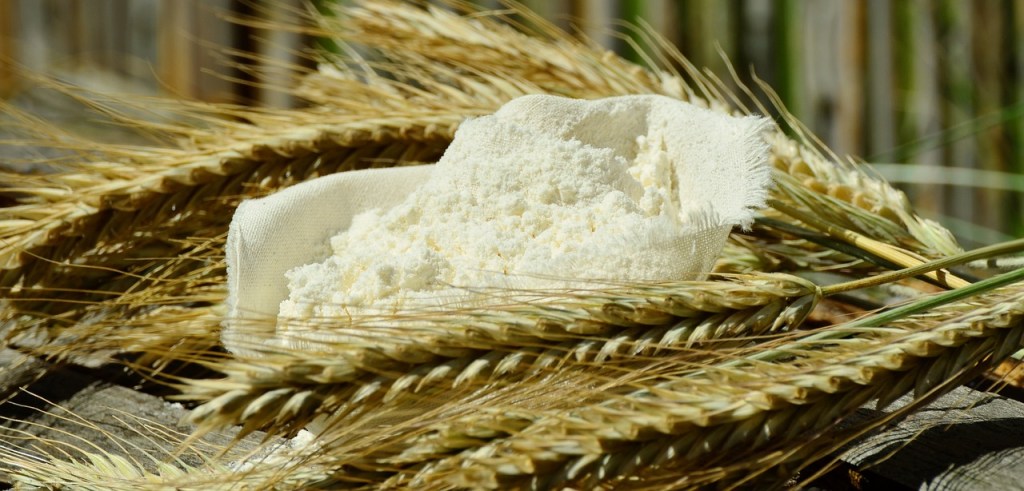

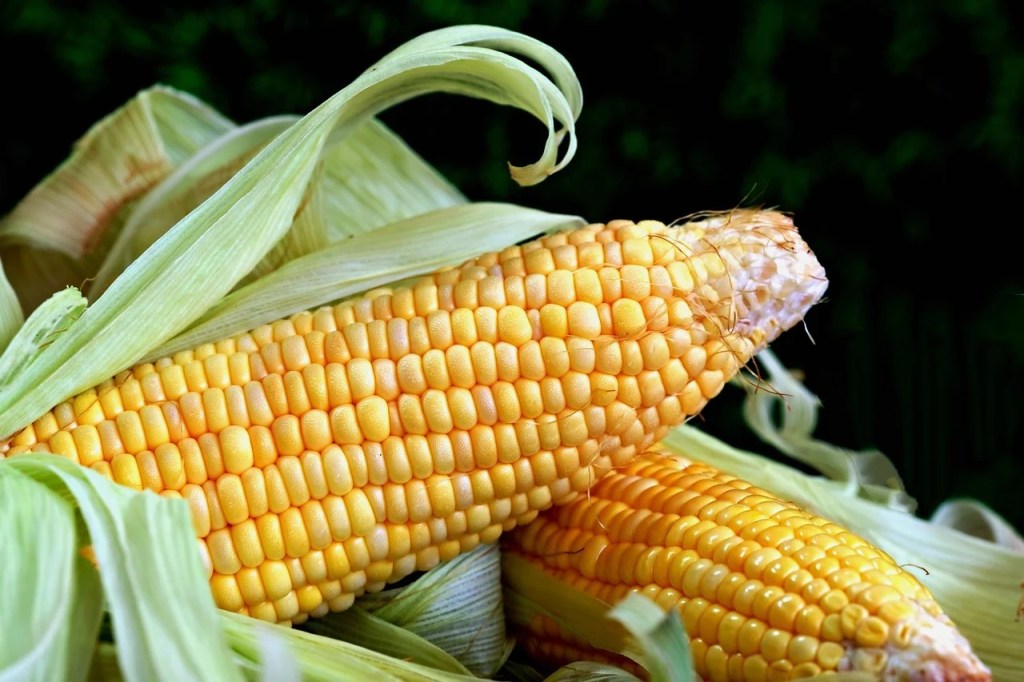
Corn flour, a staple in many cuisines worldwide, is more than just a versatile cooking ingredient. Recent studies have highlighted its potential role in lowering harmful cholesterol levels, making it an important component in the diet of those looking to improve their heart health. This article delves into how corn flour helps reduce harmful cholesterol, how to incorporate it into your diet, and the international studies supporting these claims.Understanding Corn FlourCorn flour is a finely ground powder made from dried corn kernels. It is a staple in many cultures, particularly in Latin American, African, and Asian cuisines. It is used to make a variety of dishes, from tortillas and tamales to soups, breads, and desserts. Corn flour is naturally gluten-free, making it a popular alternative for those with gluten intolerance or celiac disease.Nutritionally, corn flour is rich in carbohydrates, dietary fiber, and essential vitamins and minerals, including B vitamins, iron, magnesium, and zinc. However, its potential to reduce harmful cholesterol levels is what makes it particularly intriguing from a health perspective.

Cholesterol and Its Impact on HealthCholesterol is a fatty substance found in the blood. While the body needs some cholesterol to function properly, too much of the wrong kind—known as low-density lipoprotein (LDL) cholesterol—can lead to serious health problems, including heart disease and stroke. High levels of LDL cholesterol can cause plaque buildup in the arteries, leading to atherosclerosis, which restricts blood flow and increases the risk of cardiovascular events.High-density lipoprotein (HDL) cholesterol, on the other hand, is often referred to as “good” cholesterol because it helps remove LDL cholesterol from the bloodstream. Maintaining a healthy balance between LDL and HDL cholesterol is crucial for cardiovascular health.How Corn Flour Reduces Harmful CholesterolSeveral mechanisms explain how corn flour may help reduce LDL cholesterol levels:Rich in Soluble Fiber: Corn flour contains soluble fiber, which is known to lower LDL cholesterol levels. Soluble fiber binds with cholesterol particles in the digestive system and helps remove them from the body before they can enter the bloodstream. This reduces the amount of LDL cholesterol circulating in the blood.Phytosterols: Corn flour contains phytosterols, which are plant compounds structurally similar to cholesterol. Phytosterols compete with cholesterol for absorption in the intestines, thereby reducing the amount of cholesterol that enters the bloodstream. Studies have shown that consuming foods rich in phytosterols can lower LDL cholesterol levels by up to 10%.Low in Saturated Fat: Corn flour is naturally low in saturated fat, which is known to raise LDL cholesterol levels. By replacing higher-fat ingredients with corn flour in cooking and baking, you can reduce your intake of saturated fats and help lower your LDL cholesterol levels.Antioxidants: Corn flour contains antioxidants, such as carotenoids and phenolic compounds, which help protect against oxidative stress and inflammation. Oxidative stress can lead to the oxidation of LDL cholesterol, making it more likely to form plaque in the arteries. By reducing oxidative stress, corn flour may help prevent the oxidation of LDL cholesterol and reduce the risk of atherosclerosis.
International Studies on Corn Flour and Cholesterol ReductionThe potential of corn flour to reduce harmful cholesterol has been the subject of numerous studies worldwide. One notable study conducted by researchers at the University of Manitoba in Canada explored the effects of corn-derived phytosterols on cholesterol levels. The study found that participants who consumed corn flour enriched with phytosterols experienced a significant reduction in LDL cholesterol levels compared to those who did not consume the enriched corn flour.Another study published in the Journal of Nutrition highlighted the role of soluble fiber in corn flour in lowering LDL cholesterol levels. The researchers found that participants who consumed corn flour with a high soluble fiber content had a 7-10% reduction in LDL cholesterol levels over a six-week period.In South Korea, a study published in the Korean Journal of Community Nutrition examined the effects of corn flour on cholesterol levels in individuals with hypercholesterolemia. The study found that participants who incorporated corn flour into their diet experienced a significant decrease in LDL cholesterol levels and an increase in HDL cholesterol levels, suggesting that corn flour can help improve the overall cholesterol profile.These studies, along with others from around the world, provide strong evidence that corn flour can play a valuable role in reducing harmful cholesterol levels. However, it is important to note that these benefits are most effective when corn flour is part of a balanced diet that includes a variety of whole grains, fruits, vegetables, lean proteins, and healthy fats

Corn flour is not just a culinary staple; it is a functional food that can help reduce harmful cholesterol levels and improve heart health. By incorporating corn flour into your diet through a variety of delicious and nutritious dishes, you can take a proactive step towards better cardiovascular health. The international studies supporting the cholesterol-lowering effects of corn flour further underscore its potential as a natural remedy for managing cholesterol levels. As always, it is important to consult with a healthcare professional before making significant changes to your diet, especially if you have existing health conditions or are taking medications.Incorporating corn flour into a heart-healthy diet can be a simple yet effective way to protect your cardiovascular health and enjoy the benefits of this versatile ingredient.



Leave a Reply to Tamyra Miller Cancel reply