


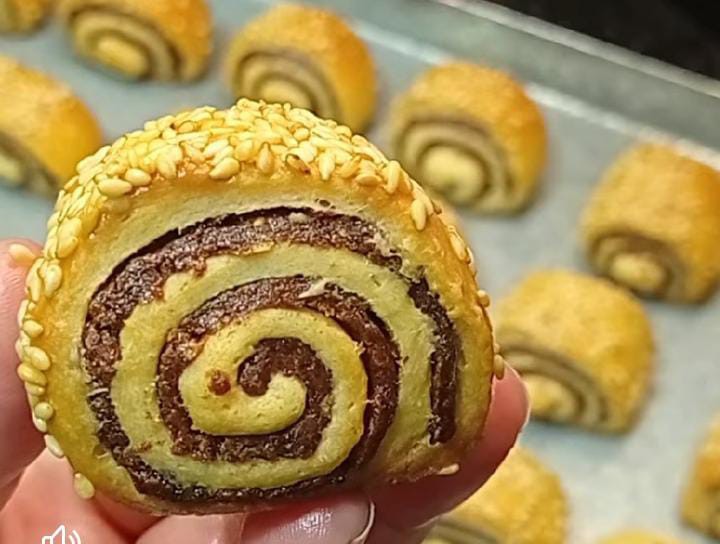
Description: These spirals are a type of Egyptian cookie called “Kahk Bi Agwa,” typically filled with a sweet date paste and covered in sesame seeds. The dough is rolled out and layered with the date mixture, rolled into a spiral, and then cut into pieces before baking. The sesame seeds add a nice crunch and flavor to the outer layer.Ingredients and Preparation: The dough for these cookies is made from simple ingredients such as flour, butter or ghee, sugar, milk, and a pinch of salt. The date filling, known as “Agwa,” is made from pitted dates mixed with a bit of butter or ghee, sometimes spiced with cinnamon, cardamom, or nutmeg. After filling and rolling, the cookies are topped with sesame seeds, which add a lovely nutty flavor and a crunchy texture.Health Benefits:Rich in Fiber and Antioxidants: Dates are high in dietary fiber, which promotes digestive health and helps regulate blood sugar levels. They are also rich in antioxidants that help protect the body from inflammation and oxidative stress.Good Source of Energy: Dates provide a quick energy boost due to their natural sugars (glucose, fructose, and sucrose). This makes these spirals a perfect snack for providing energy, especially for children and those fasting during Ramadan.Sesame Seeds for Heart Health: Sesame seeds are known for their healthy fats, particularly unsaturated fats, which are beneficial for heart health. They are also rich in calcium, iron, magnesium, and vitamin E, contributing to overall health, especially bone health.Nutrient-Rich: These cookies provide a mix of carbohydrates, healthy fats, and some protein, making them a balanced treat when consumed in moderation.Cultural Significance: These spirals are often prepared during festive occasions in Egypt, particularly during Eid celebrations. The combination of dates and sesame seeds offers a delicious blend of sweetness and nuttiness, cherished in Egyptian households.
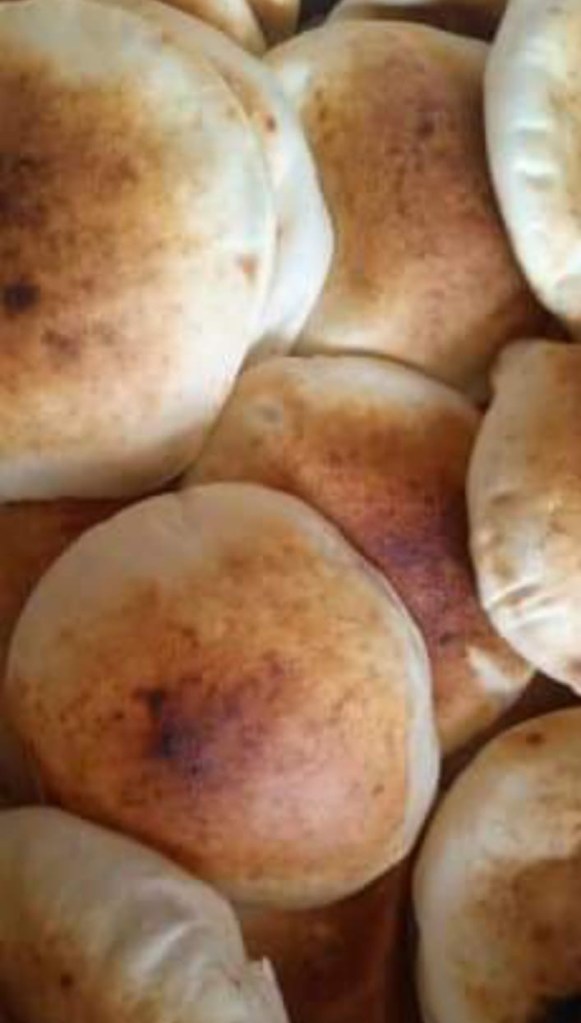
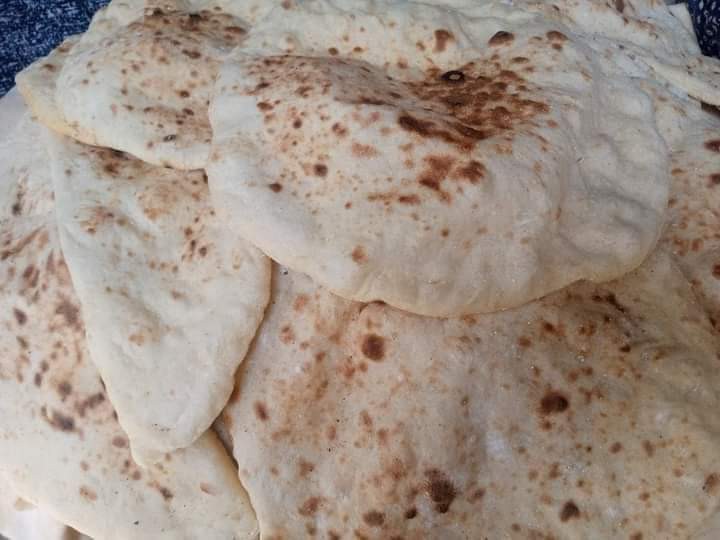
2. Soft, Round Flatbreads (Baladi Bread)Description: The soft, round flatbreads are known as “Baladi Bread” in Egypt. They are a staple food in Egyptian cuisine and are often enjoyed with various dishes, from stews and dips to grilled meats and falafel.Ingredients and Preparation: Baladi bread is typically made from a mixture of whole wheat flour, white flour, yeast, water, and a pinch of salt. It is traditionally baked in a hot oven or on a clay “tannour” to create a slightly puffed, soft bread with a golden crust.Health Benefits:Whole Grains for Digestive Health: The use of whole wheat flour in Baladi bread provides a high amount of dietary fiber, which aids in digestion and prevents constipation. Whole grains are also known to reduce the risk of heart disease, type 2 diabetes, and obesity.Rich in B Vitamins: Whole wheat flour used in Baladi bread is a good source of B vitamins, such as niacin, thiamine, and folate. These vitamins are essential for energy production, brain function, and maintaining a healthy metabolism.Source of Complex Carbohydrates: As a staple food, Baladi bread provides complex carbohydrates that are essential for energy, especially for those engaged in physical labor or fasting.Low in Fat: Baladi bread is generally low in fat, making it a healthy choice for those looking to maintain a balanced diet.Cultural Significance: Baladi bread is deeply rooted in Egyptian culture and is often served at every meal. It is an integral part of the Egyptian diet, and its affordability and nutritional value make it a staple in households across the country.ConclusionBoth the date-filled spirals with sesame seeds and the soft, round flatbreads represent the richness of Egyptian culinary heritage. They are not only delicious but also offer significant health benefits when prepared with wholesome ingredients and enjoyed in moderation. Whether as a festive treat or a daily staple, these baked goods hold a special place in the hearts and kitchens of Egyptians.
Very simple and healthy recipes that I convey to you with my greetings and heartfelt prayers for you
noga noga 🥰



Leave a Reply to curious 🌎 Cancel reply