


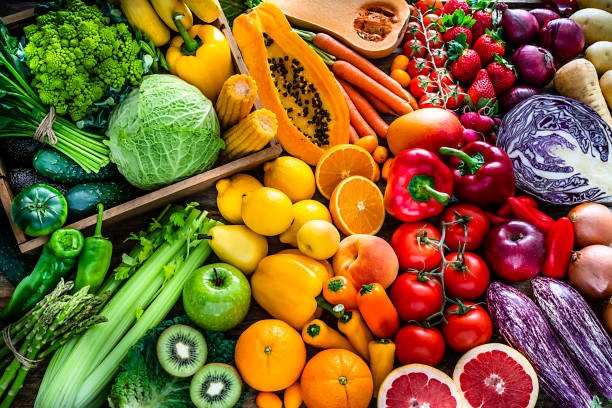
In recent years, plant-based diets have gained significant popularity worldwide, largely due to their numerous health benefits and positive impact on overall well-being. A diet centered around whole, minimally processed plant foods—including fruits, vegetables, whole grains, legumes, nuts, and seeds—offers a wide range of advantages that contribute to a healthier lifestyle. This article explores the benefits of plant-based foods, their importance to health, and practical instructions for incorporating them into your daily diet.
The Benefits of a Plant-Based Diet
- Rich in Nutrients: Plant-based foods are naturally rich in essential nutrients such as vitamins, minerals, antioxidants, and phytochemicals. Fruits and vegetables, for example, provide vitamins A, C, and E, which are crucial for immune function and skin health. Whole grains and legumes are excellent sources of B vitamins and fiber, while nuts and seeds offer healthy fats and protein. Consuming a variety of plant-based foods ensures a balanced intake of nutrients that supports overall health.
- Supports Heart Health:
- Numerous studies have shown that plant-based diets can significantly reduce the risk of heart disease. Foods like leafy greens, berries, whole grains, nuts, and seeds are rich in fiber, antioxidants, and healthy fats that help lower bad cholesterol (LDL) levels and reduce blood pressure. The absence of saturated fats found in animal products also contributes to a healthier heart by preventing artery blockages and reducing inflammation.
- Aids in Weight Management: Plant-based foods are typically lower in calories and high in fiber, making them filling and satisfying. A diet high in fiber promotes satiety, which can help prevent overeating and reduce overall calorie intake. This, in turn, supports weight loss and maintenance. Research suggests that individuals who follow a plant-based diet tend to have lower body mass indexes (BMIs) and lower rates of obesity compared to those who consume a meat-heavy diet.
- Reduces the Risk of Chronic Diseases: A diet rich in fruits, vegetables, whole grains, and legumes has been linked to a lower risk of developing chronic diseases such as type 2 diabetes, certain cancers, and hypertension. The high fiber content in plant-based foods helps regulate blood sugar levels, while antioxidants combat oxidative stress and inflammation, which are key contributors to the development of chronic conditions.
- Improves Digestive Health: Fiber is a key component of plant-based diets that promotes healthy digestion. It aids in regular bowel movements, prevents constipation, and supports the growth of beneficial gut bacteria. A healthy gut microbiome is associated with improved immune function, better nutrient absorption, and even enhanced mental health. Incorporating a variety of fiber-rich foods like fruits, vegetables, and whole grains into your diet is essential for optimal digestive health.
- Enhances Longevity: Plant-based diets have been linked to increased life expectancy. A study published in the Journal of the American Medical Association (JAMA) found that higher consumption of plant-based foods was associated with a lower risk of all-cause mortality. The combination of reduced risk factors for chronic diseases, improved heart health, and enhanced immune function contributes to a longer and healthier life.
The Importance of Plant-Based Foods for Overall Health

The importance of plant-based foods extends beyond individual health benefits to encompass environmental and ethical considerations. Plant-based diets have a lower environmental footprint compared to diets centered around animal products. They require fewer natural resources, produce less greenhouse gas emissions, and promote sustainable agriculture. Moreover, adopting a plant-based diet can align with ethical concerns about animal welfare and factory farming practices.
Instructions for Adopting a Plant-Based Diet
Transitioning to a plant-based diet can be both rewarding and manageable with the right approach. Here are some practical instructions to help you get started:
- Start Gradually: If you’re new to a plant-based diet, start by gradually incorporating more plant-based meals into your routine. Begin with “Meatless Mondays” or try replacing one animal-based meal with a plant-based alternative each day.
- Focus on Whole Foods: Prioritize whole, minimally processed foods such as fruits, vegetables, whole grains, legumes, nuts, and seeds. Avoid heavily processed plant-based options that may contain added sugars, unhealthy fats, and preservatives.
- Plan Balanced Meals: Ensure your meals are balanced by including a variety of food groups. Aim for a plate filled with colorful vegetables, a source of protein (like beans, lentils, tofu, or tempeh), whole grains (such as quinoa, brown rice, or oats), and healthy fats (like avocado, nuts, or olive oil).
- Experiment with New Recipes: Explore plant-based recipes from different cuisines to keep your meals exciting and flavorful. Incorporate a wide range of herbs, spices, and cooking techniques to enhance the taste and variety of your dishes.
- Stay Nutrient-Conscious: While plant-based diets are generally nutrient-rich, it’s essential to ensure adequate intake of certain nutrients like vitamin B12, iron, calcium, omega-3 fatty acids, and protein. Consider fortified foods or supplements, and include a variety of nutrient-dense plant foods in your diet.
- Stay Hydrated: Incorporating more fiber into your diet means you’ll need to drink plenty of water to aid digestion and prevent bloating. Aim for at least 8-10 glasses of water daily to stay hydrated.
- Listen to Your Body: Pay attention to how your body responds to different foods and make adjustments as needed. A plant-based diet is highly customizable, so you can tailor it to meet your individual needs and preferences.
- Seek Professional Guidance: If you’re unsure about how to transition to a plant-based diet or have specific health concerns, consider consulting a registered dietitian or nutritionist. They can help create a personalized meal plan that ensures you meet all your nutritional needs
Conclusion

A plant-based diet offers numerous benefits for both personal health and the planet. By providing essential nutrients, supporting heart health, aiding in weight management, reducing the risk of chronic diseases, and promoting a healthier digestive system, plant-based foods can play a crucial role in enhancing overall well-being. With mindful planning, creativity in the kitchen, and gradual steps, adopting a plant-based diet can lead to a more vibrant and healthier life.



Leave a Reply to Willie Torres Jr. Cancel reply