

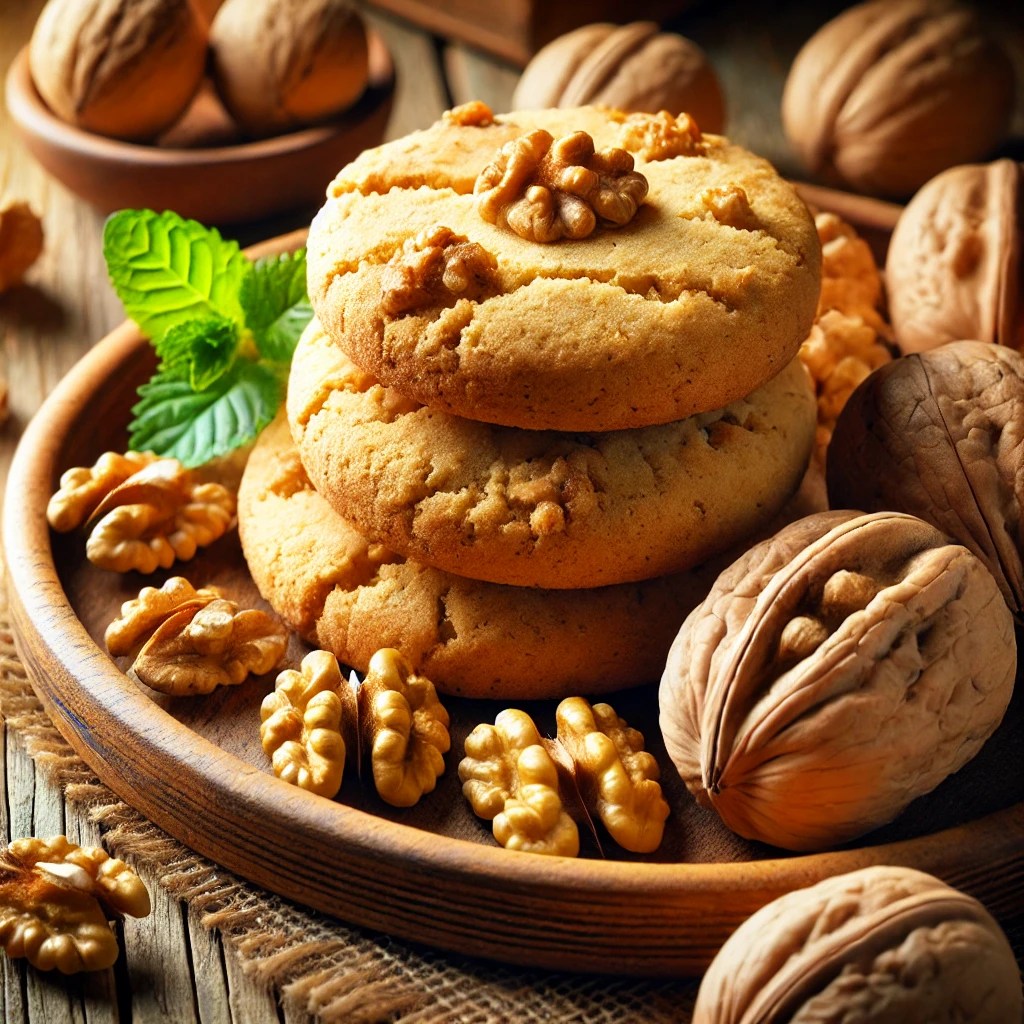
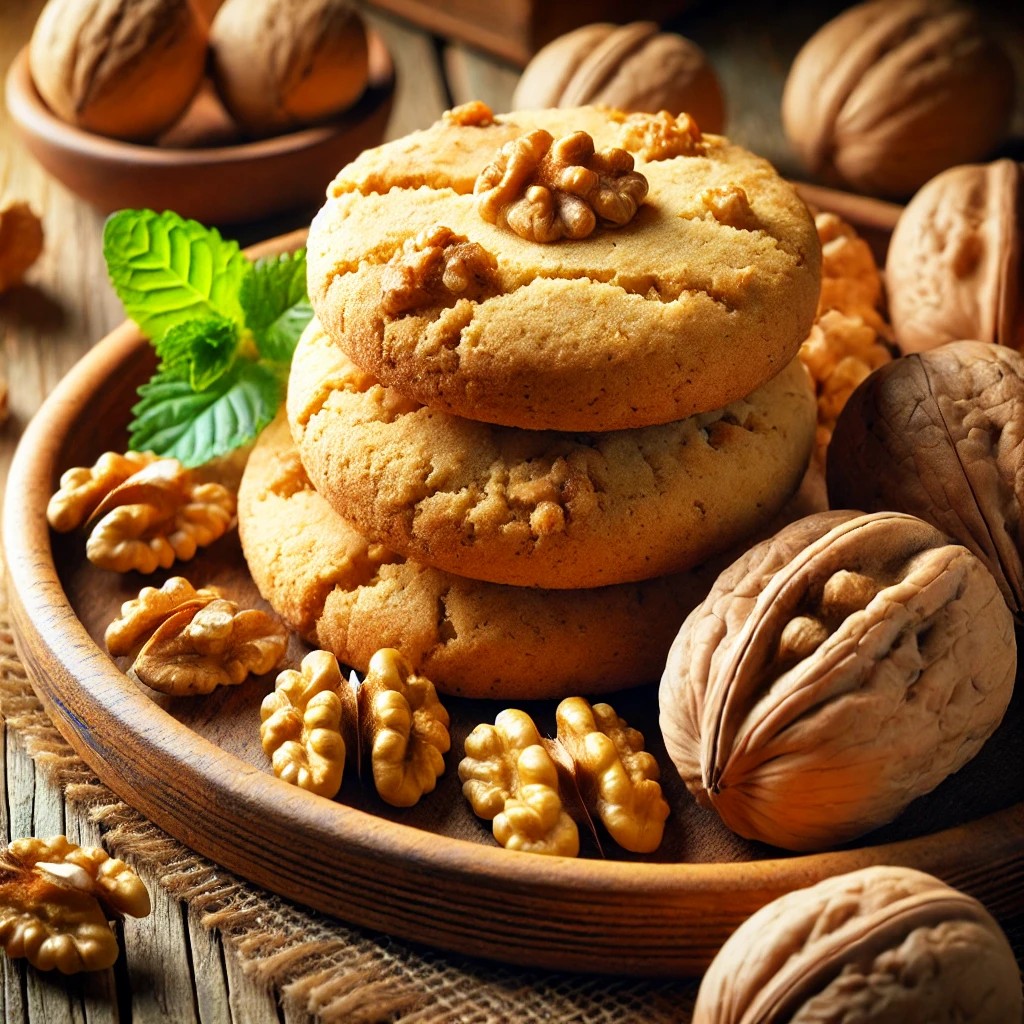
Walnut biscuits are a beloved treat known for their rich, buttery flavor and the delightful crunch of walnuts. These biscuits not only offer a satisfying snack but also carry numerous nutritional benefits and a fascinating cultural history. This article explores the making of walnut biscuits, their ingredients, nutritional benefits, various filling methods, and their origins and cultural significance.
Ingredients for Walnut Biscuits
To make walnut biscuits at home, you will need the following ingredients:
1 cup of unsalted butter (softened)
1/2 cup of granulated sugar
1/2 cup of brown sugar
2 cups of all-purpose flour
1/2 teaspoon of baking powder
1/4 teaspoon of salt
1 teaspoon of vanilla extract
1 cup of chopped walnuts
1 large egg
Optional ingredients for added flavor:
1 teaspoon of cinnamon or nutmeg
1/2 cup of chocolate chips or dried fruit (like cranberries or raisins)
Preparation Method
1. Preheat your oven to 350°F (175°C) and line a baking sheet with parchment paper.
2. Cream the butter and sugars: In a large mixing bowl, beat the softened butter with granulated and brown sugars until the mixture is light and fluffy. This should take about 3-4 minutes.
3. Add the egg and vanilla: Mix in the egg and vanilla extract until well combined.
4. Mix dry ingredients: In a separate bowl, combine flour, baking powder, salt, and optional spices (cinnamon or nutmeg). Gradually add this dry mixture to the wet ingredients, mixing until just combined.

Filling Method for Walnut Biscuits
While traditional walnut biscuits are delicious on their own, you can also add fillings to enhance their flavor. Here are a few filling options:
1. Chocolate Ganache: Prepare a simple chocolate ganache by melting equal parts of chocolate and heavy cream together. Once the biscuits are baked and cooled, sandwich two biscuits together with a layer of ganache.
2. Cream Cheese Frosting: Mix cream cheese with powdered sugar and a hint of vanilla extract. Spread the frosting on the flat side of a biscuit and sandwich with another.
3. Fruit Jam or Preserves: Use your favorite fruit jam, such as raspberry or apricot, as a filling between two biscuits for a sweet and tangy contrast.
4. Nutella or Peanut Butter: For a nutty variation, fill the biscuits with Nutella or creamy peanut butter for a decadent treat.
Roots and Cultural Significance of Walnut Biscuits
Walnut biscuits have a rich cultural history that spans across different regions. In European countries like France, Italy, and Switzerland, walnut-based pastries and biscuits have been a staple for centuries. The tradition of baking with walnuts can be traced back to ancient times, where these nuts were considered a symbol of fertility and prosperity.
In Middle Eastern cultures, walnut biscuits are often served during festive occasions, such as Eid or weddings, as they symbolize hospitality and generosity. In North America, walnut biscuits became popular in the 19th century, influenced by European immigrants who brought their baking traditions with them.
Today, walnut biscuits are enjoyed worldwide, with each region adding its unique twist to the recipe. From the delicate French “sablés” with a hint of walnut to the more robust American-style cookies loaded with chocolate chips and walnuts, these biscuits have become a beloved treat for all ages.
Conclusion
Walnut biscuits are more than just a tasty snack; they are a blend of rich flavors, nutritional benefits, and cultural significance. Whether enjoyed plain or with a delicious filling, these biscuits continue to be a favorite across the globe. So, the next time you crave a nutty and wholesome treat, try baking a batch of walnut biscuits at home and experience the joy of this delightful confection.



Leave a Reply to jeanvivace Cancel reply