

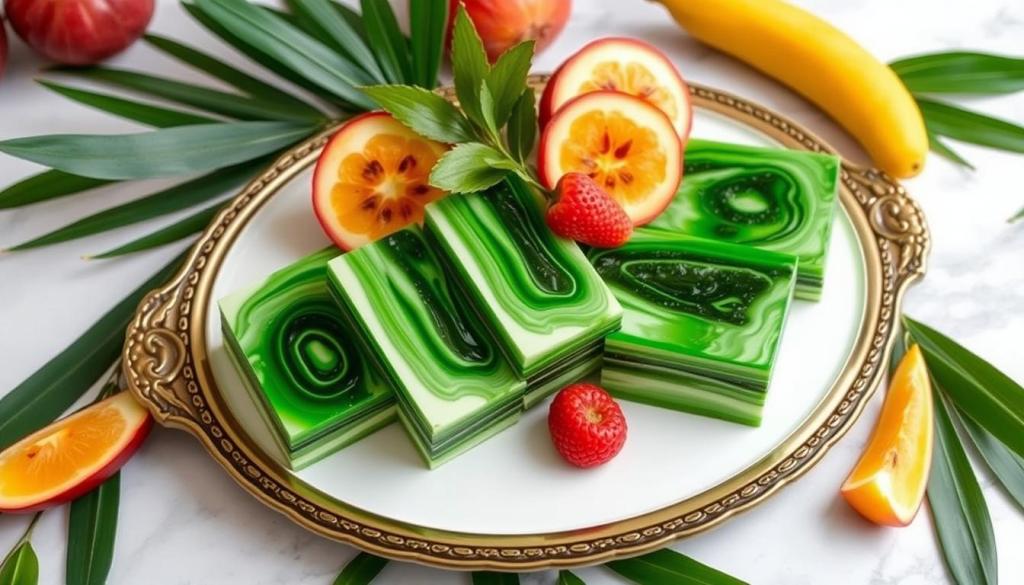
Are you curious about Kui Lapis, the Indonesian dessert with layers that have won hearts around the world? It’s known for its mix of flavors and textures. Plus, it might be good for your health. Let’s explore where Kui Lapis comes from, how to make it, and its health perks.

Key Takeaways
- Kui Lapis is a traditional Indonesian layered dessert with a unique blend of flavors and textures.
- It has gained popularity worldwide for its potential health benefits, including being a source of vitamins and minerals.
- The article will explore the origins, preparation, and nutritional value of Kui Lapis.
- Readers will learn how to make this delightful treat at home and discover its traditional uses and health benefits.
- The article aims to challenge common perceptions about Kui Lapis and provide a comprehensive understanding of this captivating dessert.
What is Kui Lapis?
Kui lapis is a traditional Indonesian dessert from the Maluku Islands. It’s made by steaming layers of sweet rice flour batter. This creates a moist and flavorful treat. It’s a big part of Indonesian culture, enjoyed at special occasions.
Origins and Cultural Significance
The Maluku Islands are where kui lapis comes from. This dessert is a big part of Indonesian culture. It’s known for its unique flavors and intricate making process.
Kui lapis is a must-have at weddings, festivals, and religious events. It shows the importance of this dessert in Indonesian culture.
Key Ingredients and Varieties
Kui lapis is made with rice flour, coconut milk, and palm sugar. But, it can also have different flavors and ingredients in different places. Some recipes add pandan leaves, sweet potatoes, or even savory fillings.
Whether you try the classic version or a regional specialty, kui lapis is a treat. It shows Indonesia’s love for food and culture.
How to Prepare Kui Lapis and its Health Benefits
Making Kui Lapis is easy and fun. It’s a treat that looks great and tastes even better. It also has health perks. Let’s look at how to make it and its nutritional benefits.
The Art of Crafting Kui Lapis
To make Kui Lapis, you need a few ingredients and patience. You mix rice flour, coconut milk, and pandan leaves to get a beautiful striped dessert. Here’s how to do it:
- Start by mixing rice flour with coconut milk and water.
- Split the mix into parts and color each one with natural dyes.
- Layer the colored mixes in a steamer, letting each set before adding the next.
- Steam until done, then cool and slice to serve.
The result is a dessert that looks amazing and tastes soft and sweet. But Kui Lapis is more than just pretty. It’s also good for you.
Unlocking the Health Benefits of Kui Lapis
Kui Lapis is loved for its taste and looks. But it also has nutritional value and health perks. The main ingredients, rice flour and coconut milk, offer:
- Complex carbs that help control blood sugar.
- Healthy fats from coconut milk that are good for the heart.
- Vitamins and minerals like B-vitamins and potassium.
- Antioxidants that might fight inflammation.
Eating Kui Lapis can be a sweet treat that’s also good for you. It’s perfect as a dessert or snack. This traditional dish is a tasty way to nourish your body and soul.
“Kui Lapis is a true delight for the senses, both in its captivating appearance and its potential health benefits. This traditional dessert offers a unique and satisfying way to indulge while supporting overall wellness.”
Step-by-Step Guide to Making Kui Lapis
Making Kui Lapis at home is a fun and rewarding task. It’s great for both seasoned cooks and curious beginners. This guide will help you make this traditional treat. Let’s explore how to make the perfect kui lapis recipe.
Ingredients and Utensils Needed
To make your own kui lapis, you’ll need some ingredients and kitchen tools. Here’s what you’ll need:
- Sticky rice flour (or glutinous rice flour)
- Coconut milk
- Sugar
- Salt
- Pandan leaves (optional)
- Steamer basket or pot with a lid
- Mixing bowl
- Wooden spoon or spatula
- Measuring cups and spoons
Cooking Instructions
Now that you have the ingredients for kui lapis, let’s start cooking:
- In a mixing bowl, mix together sticky rice flour, coconut milk, sugar, and a pinch of salt. Keep mixing until it’s smooth and pliable.
- If you’re using pandan leaves, chop them finely and add them to the dough. Gently knead to mix in the leaves.
- Split the dough into equal parts and shape into small balls.
- Get your steamer ready by boiling water in the bottom pot. Put the dough balls in the steamer basket, making sure they don’t touch each other.
- Cover the steamer and steam the kui lapis for 15-20 minutes. They should be translucent and slightly firm.
- Take the steamed kui lapis out of the basket. Serve warm as a snack or part of a meal.
Enjoy your homemade kui lapis and the delicious flavors of this step-by-step kui lapis recipe!
Nutritional Value of Kui Lapis
Kui lapis is a favorite dessert that’s not just tasty but also packed with nutrients. It’s a treasure trove of vitamins and minerals that help keep you healthy. This dessert is a nutritional powerhouse.
Vitamins and Minerals in Kui Lapis
Kui lapis is full of important vitamins and minerals. It has lots of vitamin B6, which helps with energy and keeps your immune system strong. It also has folate, which is key for cell growth and health.
This dessert is also rich in iron, which is vital for carrying oxygen and boosting your immune system. Plus, it has calcium and phosphorus for strong bones and teeth. Nutrient Amount per Serving % Daily Value Vitamin B6 0.4 mg 20% Folate 50 mcg 12.5% Iron 2 mg 11% Calcium 100 mg 10% Phosphorus 75 mg 8%
The vitamins and minerals in kui lapis offer many health benefits. They support your immune system and help keep your bones and teeth strong. Adding this dessert to your diet can be a tasty way to get more nutrients.
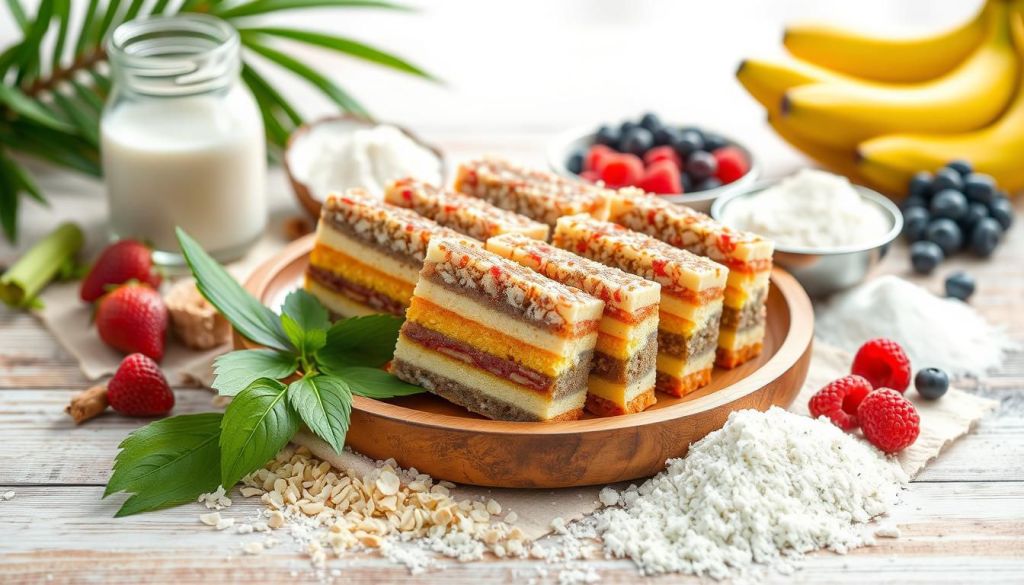
Health Benefits of Kui Lapis
Kui lapis is a beloved traditional dessert that not only tastes great but may also be good for you. It’s not just about its rich flavors and cultural importance. This unique treat could improve your health in many ways.
One of the main health benefits of kui lapis is how it can help with digestion. Ingredients like coconut milk and pandan leaves may calm your digestive system and help with regular bowel movements. Also, the natural sweetness from palm sugar is kinder to your stomach than refined sugars, making kui lapis a better choice for dessert.
Interestingly, eating kui lapis might also boost your immune system. The antioxidants in ingredients like pandan leaves can fight off harmful free radicals and support your immune health. This is especially good when you’re stressed or sick.
The benefits of eating kui lapis don’t stop there. The coconut milk in it is full of healthy fats that are good for your heart. And the pandan leaves might have anti-inflammatory properties that can help with certain health issues.
Whether you love kui lapis as a sweet treat or want to add it to a healthier diet, its potential health benefits are worth looking into.
“Kui lapis is not only a delicious indulgence but a potential ally in supporting our overall well-being.”
Traditional Uses and Remedies
Kui Lapis has been a key part of Indonesian culture for centuries. It has a rich history of traditional uses and remedies. This spice has been used in healing practices and folk remedies, showing its versatility and lasting importance.
Kui Lapis in Traditional Medicine
In traditional Indonesian medicine, Kui Lapis is valued for its health benefits. Kui lapis in traditional medicine is a common practice. It’s used in herbal concoctions and home remedies.
Its use goes back to ancient times. It was believed to have healing properties. It was used to treat many ailments.
- Digestive Issues: Kui Lapis helps with digestion. Its aroma is thought to soothe the digestive system. It eases symptoms like bloating, indigestion, and stomach discomfort.
- Respiratory Health: Traditional remedies with kui lapis often include it. It’s believed to help with coughs, colds, and respiratory infections.
- Anti-inflammatory Effects: Kui Lapis is thought to have anti-inflammatory properties. Traditional uses of kui lapis include treating joint pain and skin irritations.
The use of Kui Lapis in medicine has been passed down through generations. Many Indonesians still use it for its healing properties, keeping it as part of their cultural heritage.
Modern Research and Studies
Kui Lapis has become more popular worldwide, leading to scientific studies on its health benefits. These studies have uncovered its nutritional value and potential health benefits. They show that adding Kui Lapis to your diet could be good for you.
Research has found that Kui Lapis is rich in antioxidants and anti-inflammatory compounds. It has vitamins, minerals, and polyphenols. These might help with heart health, improve insulin use, and protect the brain.
Studies suggest Kui Lapis could help with type 2 diabetes, brain health, and inflammation. Scientists are studying how it works to improve health. This research could lead to more trials and a better understanding of its benefits.
FAQ
What is Kui Lapis?
Kui Lapis is a traditional Indonesian dessert. It’s known for its unique flavors and health benefits. It’s made by steaming layers of sweet rice flour batter, creating a moist cake.
What are the key ingredients and varieties of Kui Lapis?
Kui Lapis is made with rice flour, coconut milk, and palm sugar. But, different regions add their own twist. You might find pandan leaves, sweet potatoes, or savory fillings.
How is Kui Lapis prepared?
Making Kui Lapis involves mixing the batter and steaming the layers. You need the right tools and techniques for the perfect texture and taste.
What are the health benefits of Kui Lapis?
Kui Lapis is packed with vitamins, minerals, and antioxidants. It may help with digestion, boost the immune system, and improve overall health when eaten in moderation.
How has Kui Lapis been used in traditional medicine and remedies?
Kui Lapis has been used in Indonesian culture for centuries. It’s believed to aid digestion, increase energy, and promote health and wellness.
What does modern research say about the benefits of Kui Lapis?
Modern research is exploring Kui Lapis’s health benefits. Studies are uncovering its nutritional value and how it can impact our health when included in our diet.



Leave a Reply to Dartagnon Cancel reply