


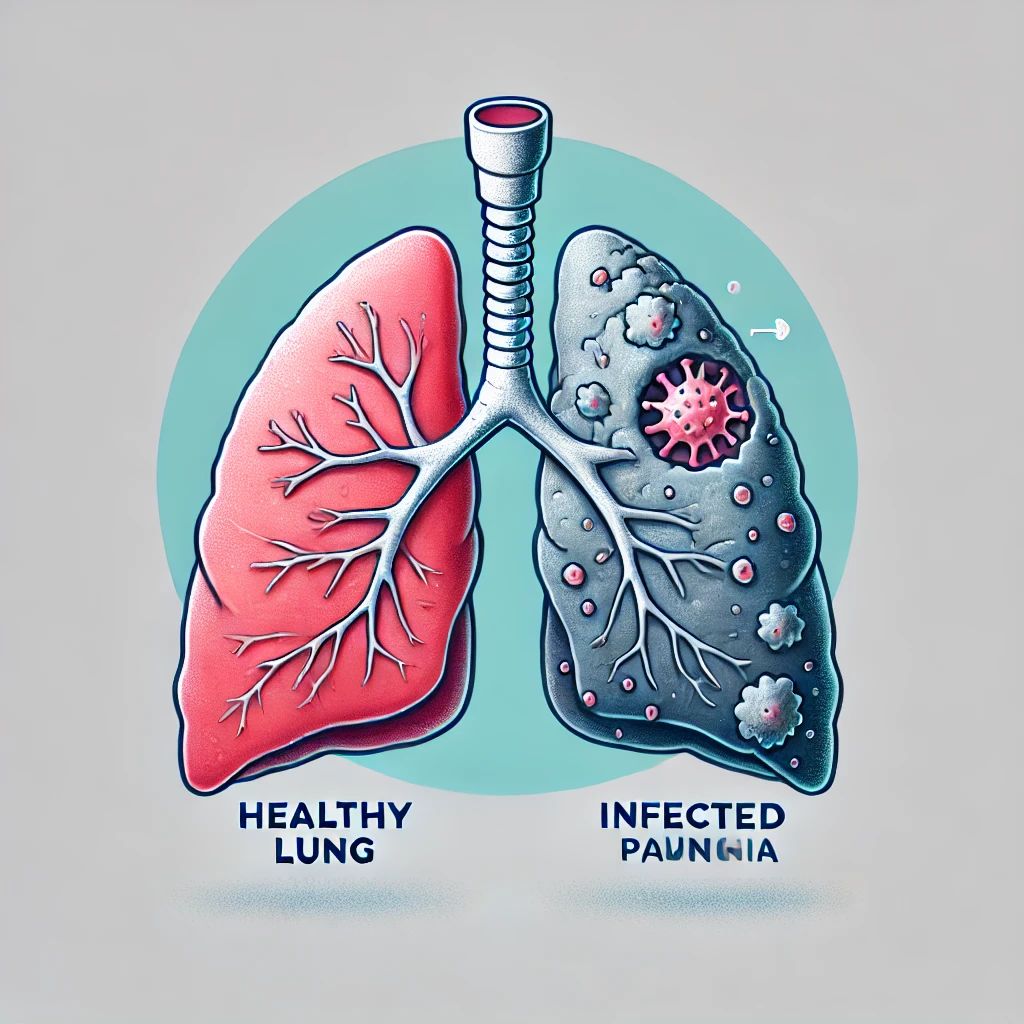
Viral pneumonia and how to protect against it
Viral pneumonia is a lung infection caused by viruses, including influenza, respiratory syncytial virus (RSV), coronaviruses, and adenoviruses. Unlike bacterial pneumonia, which can be treated with antibiotics, viral pneumonia requires supportive care and specific antiviral medications depending on the virus. Understanding the causes, symptoms, and preventive measures is crucial for safeguarding your health and that of your loved ones.
What Is Viral Pneumonia?
Viral pneumonia occurs when a virus infects the lungs, causing inflammation in the alveoli (air sacs). This leads to fluid buildup, impairing oxygen exchange. While anyone can develop viral pneumonia, it poses greater risks for infants, older adults, and people with weakened immune systems or chronic illnesses.
Common Causes
Viral pneumonia can result from a variety of viruses, including:
1. Influenza viruses – A leading cause, particularly during seasonal flu outbreaks.
2. Respiratory Syncytial Virus (RSV) – Common in infants and young children.
3. Coronaviruses – Including SARS-CoV-2, which causes COVID-19.
4. Adenoviruses – Affecting people of all ages, often associated with cold-like symptoms.
5. Parainfluenza viruses – Known for causing croup and lower respiratory tract infections.
—
Symptoms of Viral Pneumonia
Symptoms can range from mild to severe and often mimic those of other respiratory infections, including:
Fever
Cough (dry or productive)
Shortness of breath or difficulty breathing
Fatigue and weakness
Chest pain during breathing or coughing
Muscle aches and headache
In severe cases, oxygen levels may drop, leading to bluish lips or nails, confusion, or rapid breathing.
Diagnosis
Doctors diagnose viral pneumonia through:
Medical history and physical examination
Chest X-rays to detect lung inflammation.
Blood tests to identify infection markers.
PCR tests to detect specific viruses.
Treatment Options
There is no universal cure for viral pneumonia. Treatment focuses on managing symptoms and may include:
1. Rest and hydration
2. Over-the-counter pain relievers like acetaminophen or ibuprofen.
3. Antiviral medications (e.g., oseltamivir for influenza or remdesivir for COVID-19).
4. Oxygen therapy in severe cases.
Hospitalization may be required for individuals with severe symptoms or complications.
How to Protect Yourself Against Viral Pneumonia
1. Vaccination
Stay updated on influenza and COVID-19 vaccines.
Get immunized against pneumococcal bacteria, which can complicate viral pneumonia.
2. Practice Good Hygiene
Wash hands regularly with soap and water.
Avoid touching your face, especially your eyes, nose, and mouth.
3. Strengthen Your Immune System
Eat a balanced diet rich in fruits, vegetables, and lean proteins.
Exercise regularly and ensure adequate sleep.
Manage stress effectively.
4. Avoid Exposure to Respiratory Viruses
Limit close contact with people who are sick.
Wear masks in crowded or high-risk settings, particularly during outbreaks.
5. Quit Smoking
Smoking weakens the lungs, making them more vulnerable to infections.
6. Follow Up on Chronic Conditions
Properly manage diseases like diabetes or asthma, which can increase pneumonia risk.
—
When to Seek Medical Help
Immediate medical attention is required if you or someone you know experiences:
Difficulty breathing.
Persistent chest pain.
High fever that does not subside.
Confusion or extreme fatigue.
Stay healthy
Viral pneumonia is a serious illness that can significantly impact health, especially for vulnerable groups. By understanding its causes and taking proactive preventive measures, such as vaccination and hygiene practices, you can reduce the risk of infection. Early diagnosis and appropriate care are key to recovery, ensuring minimal complications and a quicker return to health.



Leave a Reply to justrojie Cancel reply