


Tutankhamun, often called the “Boy King,” remains one of ancient Egypt’s most iconic and enigmatic figures. His life, brief reign, mysterious death, and extraordinary tomb discovery have captivated historians and archaeologists for generations.
Birth and Early Life
Born around 1341 BCE, Tutankhamun was likely the son of Pharaoh Akhenaten, the proponent of the radical monotheistic worship of Aten. His mother is believed to have been Akhenaten’s sister, identified as “The Younger Lady” through DNA analysis. Originally named Tutankhaten, meaning “Living Image of Aten,” his name and identity reflected the contentious Amarna Period, a time of religious upheaval in ancient Egypt.
Tutankhamun ascended to the throne at the age of nine or ten following the death of Akhenaten and his short-lived successor, Smenkhkare. His young age meant he was heavily influenced by advisors, including Vizier Ay and General Horemheb, who played pivotal roles in stabilizing Egypt during his reign.

Tutankhamun’s Rule
Tutankhamun’s reign lasted approximately nine years (1332–1323 BCE). One of his most significant acts was restoring the traditional polytheistic worship that Akhenaten had disrupted. He abandoned the Aten-centric religion, restored the prominence of Amun, and moved the capital back to Thebes (modern-day Luxor).
The boy king also sought to repair the political and economic damages caused during his father’s reign. He initiated the restoration of temples, monuments, and other religious sites that had been neglected or destroyed. Though his reign was relatively short and lacked significant military conquests, it symbolized a return to Egypt’s cultural and religious traditions.
The Manner of Death
Tutankhamun died suddenly at around 18 or 19 years old, leading to much speculation about the cause of his death. Theories range from a chariot accident to an assassination attempt or genetic conditions stemming from inbreeding. Modern CT scans and DNA analysis suggest he suffered from a combination of malaria, a bone disorder, and possibly a leg fracture that became infected.
His untimely death left no heir, leading to the ascension of his advisor Ay and later Horemheb, who erased many records of Tutankhamun to solidify their own legacies.


Legacy and Rediscovery
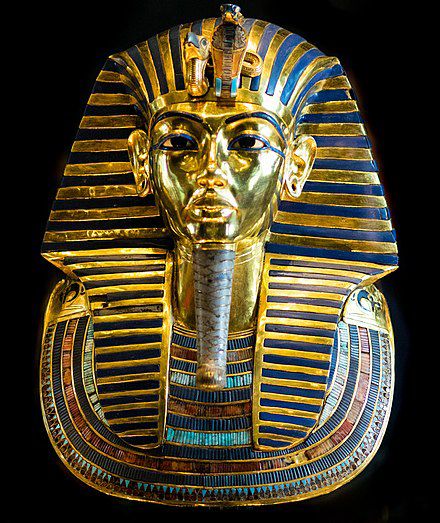
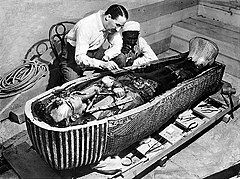
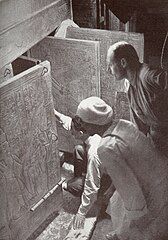
Tutankhamun’s tomb, discovered in 1922 by British archaeologist Howard Carter, remains one of the most significant archaeological finds in history. Unlike the tombs of many other pharaohs, it was largely intact, offering a treasure trove of artifacts, including the famous golden death mask, ornate coffins, jewelry, and chariots.
This discovery provided unparalleled insights into the wealth, artistry, and burial practices of ancient Egypt. The treasures of Tutankhamun have since toured the globe, captivating millions and fueling global fascination with ancient Egyptian culture.




Tutankhamun Today
Today, Tutankhamun’s legacy endures as a symbol of Egypt’s rich history. His artifacts are now housed in the Grand Egyptian Museum near the Pyramids of Giza, ensuring their preservation and continued admiration. The story of the Boy King has been immortalized in countless books, documentaries, and exhibitions, keeping his memory alive over 3,000 years after his death.
Tutankhamun’s short life and reign may not have been remarkable in his time, but his rediscovery forever changed the way we view ancient Egypt, earning him an eternal place in world history.#



Leave a Reply to Johnbritto Kurusumuthu Cancel reply