


Hand Eczema: Causes, Natural, and Medical Treatments
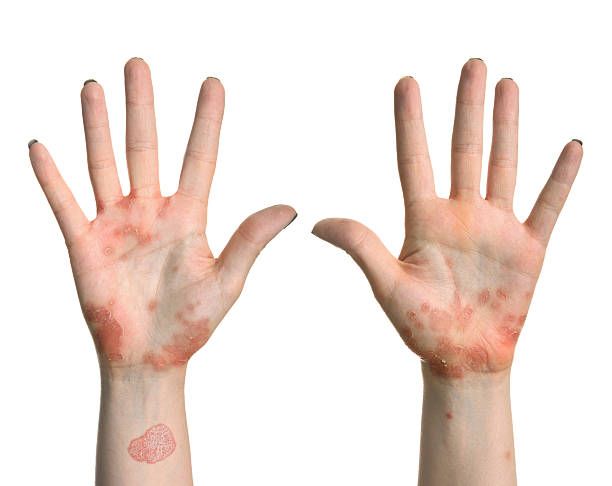
Hand eczema, also known as hand dermatitis, is a common skin condition characterized by redness, dryness, itching, and cracking of the skin on the hands. It can be painful and interfere with daily activities. Understanding its causes and treatment options, both natural and medical, is crucial for effective management.
—

Causes of Hand Eczema
Hand eczema can result from a combination of genetic, environmental, and lifestyle factors:
1. Irritants and Allergens:
Frequent exposure to harsh chemicals, soaps, detergents, and cleaning products can irritate the skin.
Allergic reactions to substances like fragrances, metals, or latex can also trigger eczema.
2. Genetic Predisposition:
A family history of eczema, asthma, or hay fever increases the risk of developing hand eczema.
3. Occupation:
People in professions that involve frequent handwashing or exposure to irritants, such as healthcare workers, chefs, or cleaners, are more prone to hand eczema.
4. Weather Conditions:
Cold, dry weather can worsen symptoms by stripping the skin of its natural moisture.
5. Stress and Immune System Issues:
Psychological stress and a weakened immune system can exacerbate eczema flare-ups.
—
Natural Treatments for Hand Eczema
Many people turn to natural remedies to manage symptoms. These methods aim to soothe the skin and reduce inflammation:
1. Moisturizing with Natural Oils:
Coconut oil, shea butter, and almond oil can hydrate the skin and restore its natural barrier.
2. Oatmeal Baths:
Soaking hands in colloidal oatmeal can relieve itching and reduce redness.
3. Aloe Vera Gel:
The anti-inflammatory and cooling properties of aloe vera can help soothe irritated skin.
4. Honey:
Applying raw honey to the affected area promotes healing and provides antibacterial benefits.
5. Avoiding Irritants:
Use gloves when handling cleaning products or gardening, and opt for mild, fragrance-free soaps.
6. Dietary Adjustments:
Consuming foods rich in omega-3 fatty acids, such as fish and flaxseeds, can help reduce inflammation.
—
Medical Treatments for Hand Eczema
When natural remedies are insufficient, medical treatments may be necessary:
1. Topical Corticosteroids:
These are commonly prescribed to reduce inflammation and itching during flare-ups.
2. Barrier Creams:
Medicated creams help protect the skin from irritants and lock in moisture.
3. Phototherapy:
Exposure to controlled UV light can help reduce eczema symptoms for severe cases.
4. Antihistamines:
Oral antihistamines can relieve severe itching, especially at night.
5. Immunosuppressants:
For chronic and severe eczema, drugs like cyclosporine or methotrexate may be prescribed to control the immune response.
6. Antibiotics or Antifungal Treatments:
If the eczema becomes infected, doctors may recommend antibiotics or antifungal medications.
—
Prevention Tips
Use a gentle, fragrance-free moisturizer after washing your hands.
Wear protective gloves when working with water or chemicals.
Avoid sudden temperature changes that can dry out your skin.
Identify and avoid known triggers, such as allergens or specific foods.
—
Conclusion
Hand eczema can be challenging to manage, but understanding its causes and treatment options can make a significant difference. Natural remedies can provide relief for mild cases, while medical treatments are available for more severe conditions. Consistency in skin care and avoiding triggers are key to preventing flare-ups. Consult a dermatologist if symptoms persist or worsen.



Leave a Reply to macalder02 Cancel reply