

El Alamein city. Egypt

Read ..
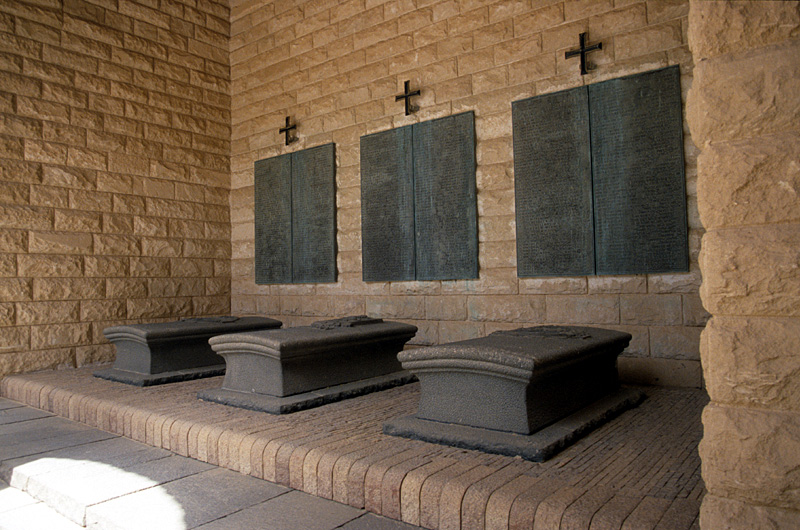
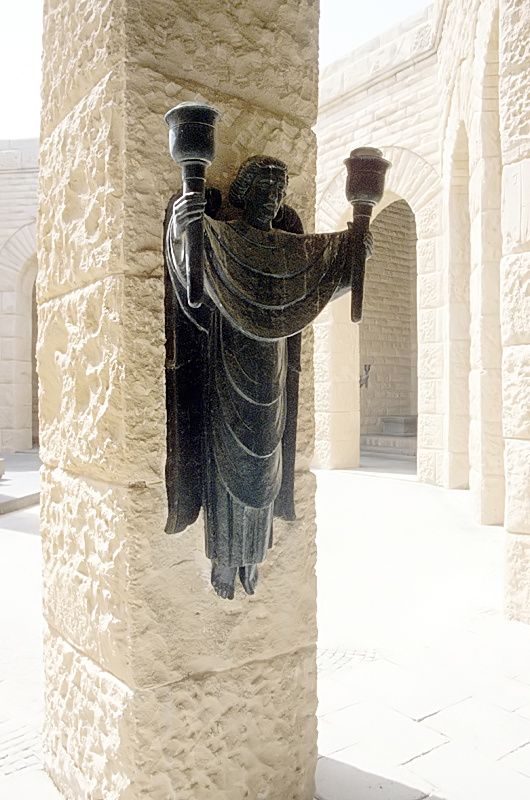
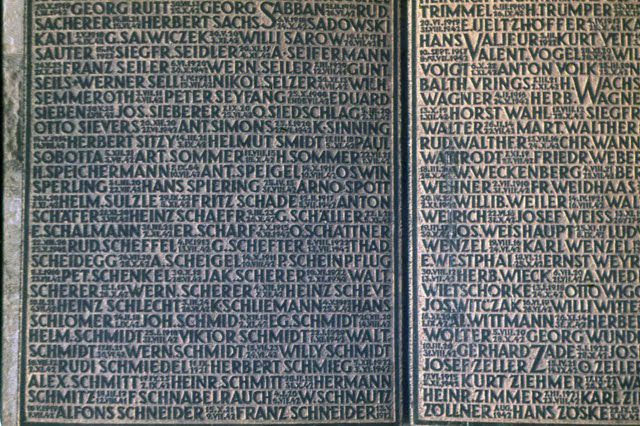
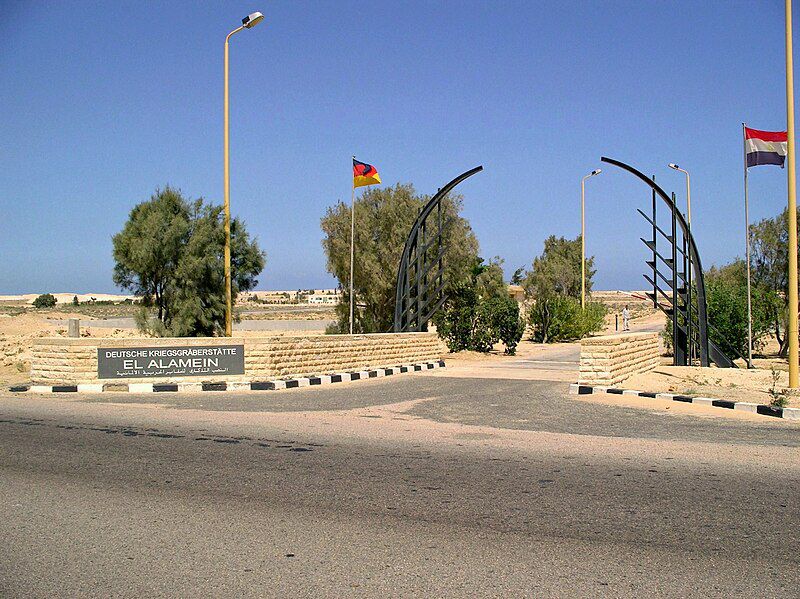
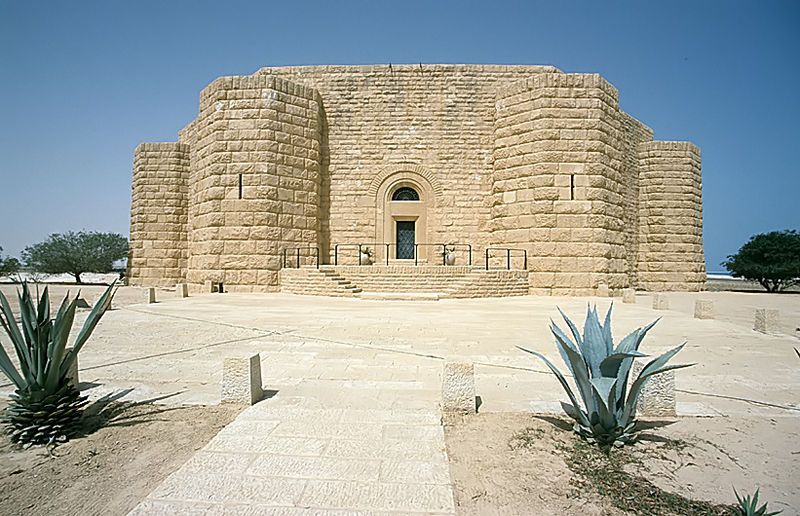
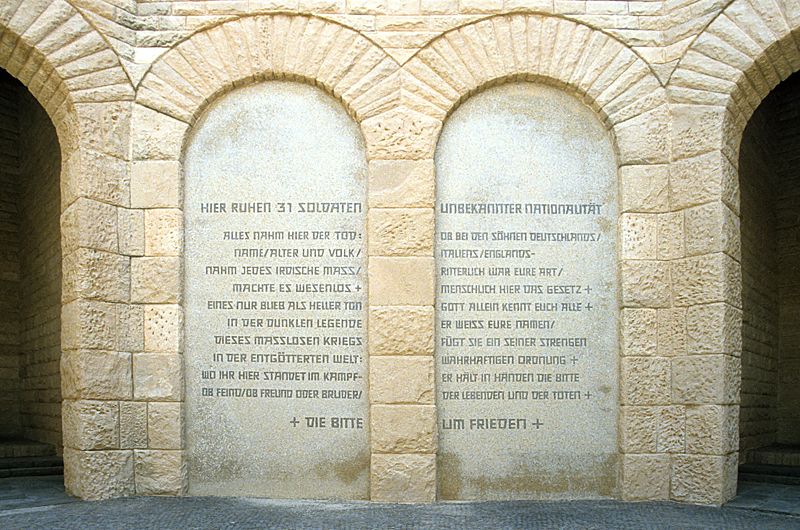
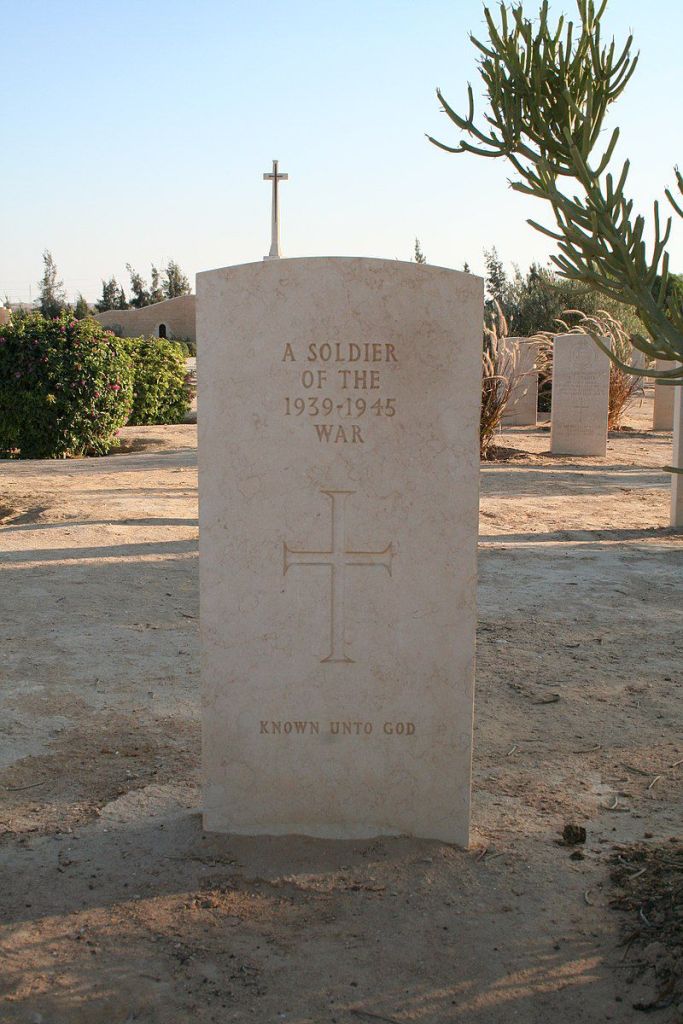
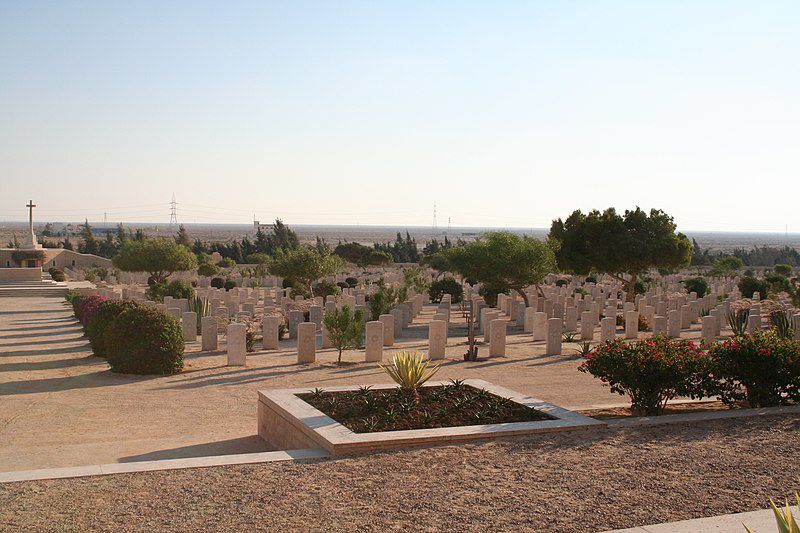
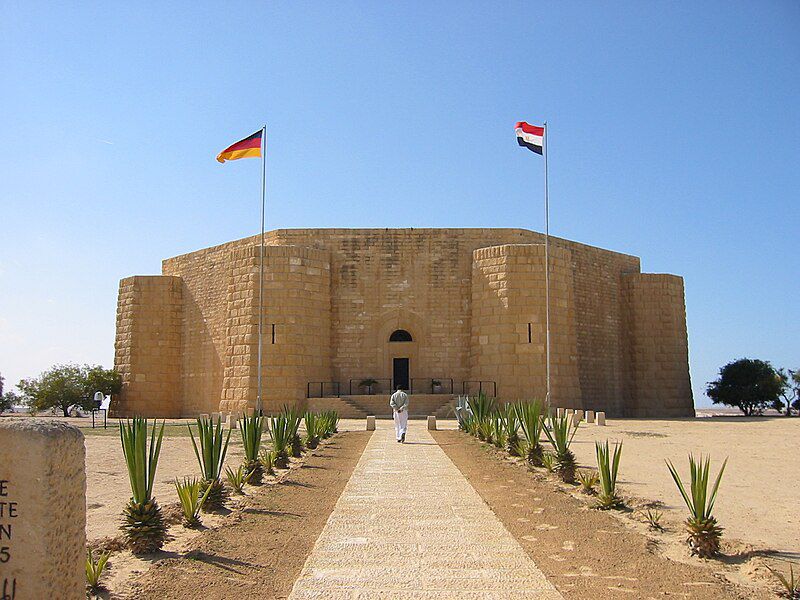
Natural and tourist attractions War cemeteries for soldiers from World War II Main article: El Alamein Cemeteries Entrance to the Commonwealth Cemeteries German Memorial Egypt holds an annual memorial ceremony in October in the city of El Alamein in Matrouh Governorate for the victims of the first and second battles of El Alamein, which took place between the forces of the Allied and Axis countries, attended by representatives of the Commonwealth countries on They are headed by England, France, Canada, Greece and India, representatives of Germany and Italy, and the Governor of Matrouh, representing the President of the Republic of Egypt. Arabic, with the participation of several Egyptian military and security figures, dozens of delegations from different countries, a number of veterans who participated on the ground in the battles of World War II in the Western Desert region, and a group of families of soldiers who were victims of the World War. The celebration ceremony includes laying wreaths on soldiers’ graves, accompanied by the sounding of English, Italian, and German military trumpets, the playing of musical pieces, priests’ chants, and the reading of hymns at the graves. The Commonwealth Cemeteries were designed by the British noble Sir Hebert Worthington, and opened by Bernard Montgomery in October 1954, taking with him a number of his soldiers and a large number of civilians. The graves contain the remains of 7,367 victims from Britain, New Zealand, Australia, South Africa, France, India, and Malaysia. They also contain the names of 11,945 soldiers whose remains were not found, and the names of some of them were written on the walls. The Italian cemeteries were designed by Italian engineer Paolo Caccia Dominioni, Count of Sella Vinco, an Italian nobleman who participated in the Battle of El Alamein. The cemeteries were opened by Italian Prime Minister Amintore Fanfani on January 9, 1959, and the remains of 4,634 Italian soldiers lie in them. The cemeteries are located five kilometers west of El Alamein, and are distinguished by their luxury and architecture. They include a small church, a mosque, a hall of memories, and a small museum, in addition to a memorial plaque indicating that the desert has swallowed the bodies of 38,000 victims. German Cemeteries: German and Italian soldiers remained buried in one cemetery until 1956, when the German government decided to build a special cemetery for the Germans. It was designed by the German engineer Robert Tisgler and opened in October 1959. The cemeteries were created in the form of a castle and contain the remains of 4,280 German soldiers. They are divided into eight rooms, seven Rooms each contain 600 soldiers, while the eighth room contains 80 unknown soldiers. It is located three kilometers west of the city of El Alamein and overlooks the sea directly from a relatively high mountain.
Photo gallery




Peace to all souls



Leave a Reply to Johnbritto Kurusumuthu Cancel reply