

What secrets hide behind the ancient walls of the Forbidden City? It’s a key part of Chinese history and the old imperial palace of the Ming and Qing dynasties. This place is a must-see for anyone who loves Chinese history and culture. Its stunning architecture and beautiful gardens make it unforgettable.
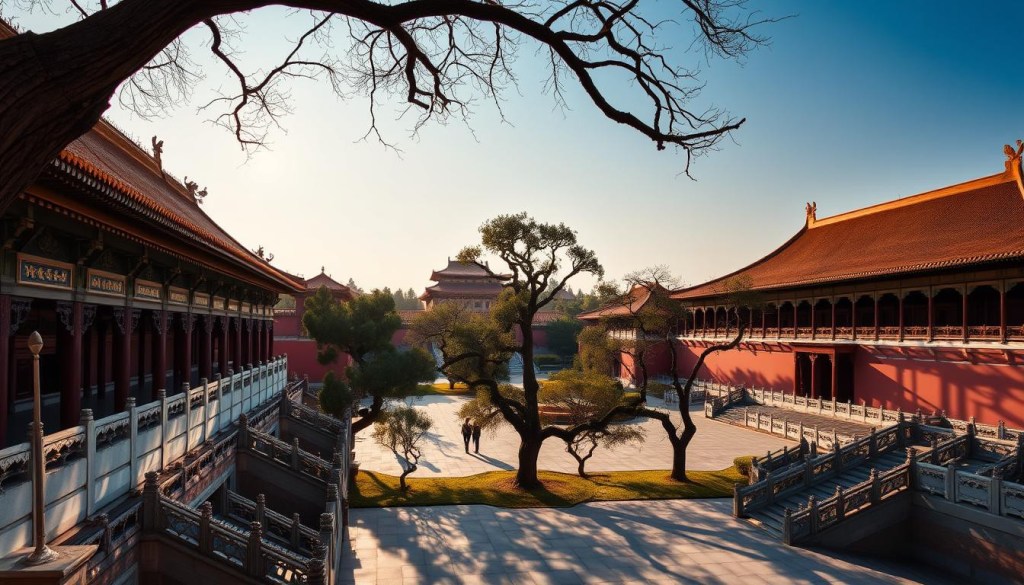
The Introduction to the Forbidden City
The Forbidden City brings Chinese history to life. It’s filled with an imperial palace and amazing architecture. Visitors can wander through the palace complex. They can learn about its history and cultural importance.
Key Takeaways
- The Forbidden City is a must-visit attraction for anyone interested in Chinese history and culture.
- The Forbidden City was the former imperial palace of the Ming and Qing dynasties.
- The palace complex showcases stunning architecture and beautiful gardens.
- The Forbidden City is a symbol of China’s rich cultural heritage.
- Visitors can explore the palace complex and learn about its history and cultural significance.
- The Forbidden City is an unforgettable experience, showcasing Chinese history and the imperial palace.
The Imperial Legacy of the Forbidden City
The Forbidden City is a key Beijing attraction with a history over five centuries long. It was the home of the Ming and Qing dynasties, at the heart of Chinese politics and culture. The palace is a stunning example of Chinese architecture, with its buildings, gardens, and carvings.
At the Forbidden City’s core is a rich history, with each dynasty adding its own touch. The architecture, art, and artifacts show the power and prestige of the Chinese empire. They make the city a significant cultural symbol.
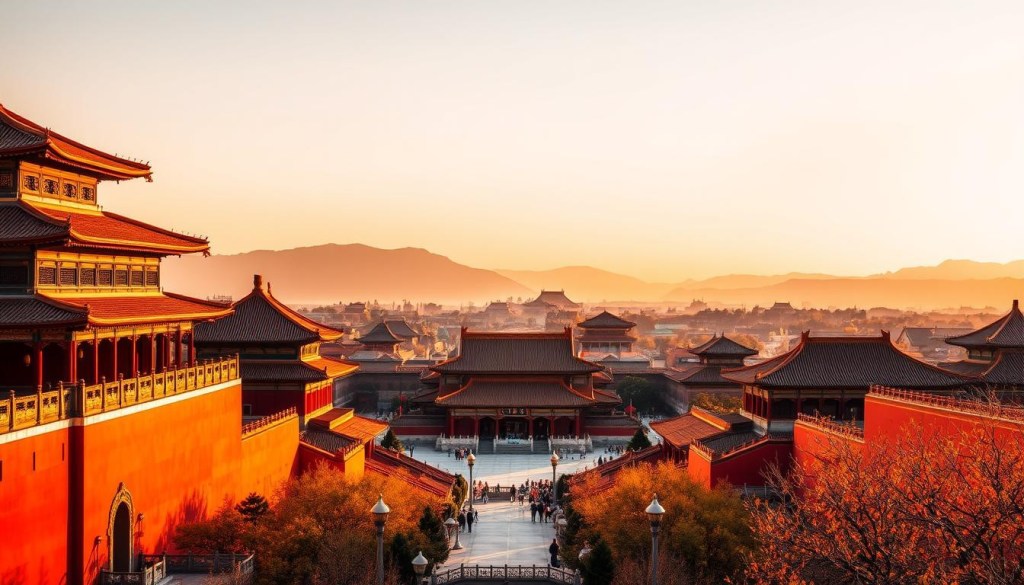
The Forbidden City is more than just history; it’s a UNESCO World Heritage Site since 1987. This honor recognizes it as a cultural and historical treasure. It’s a must-see Beijing attraction for its unique mix of history, architecture, and cultural heritage.
Dynasty History and Imperial Rule
- The Ming dynasty made the Forbidden City the imperial palace in 1420.
- The Qing dynasty expanded and renovated it, adding their own architectural styles.
Significance in Chinese Culture
The Forbidden City is a symbol of Chinese culture and history. Its architecture, art, and artifacts are key to its significance. It’s a major Beijing attraction and a treasure of cultural heritage.
Planning Your Visit to the Forbidden City
Planning a trip to the Forbidden City requires some key steps. Buying Forbidden City tickets early saves time and stress. A good China travel guide offers insights and tips for exploring the palace.
Creating a detailed itinerary is important. It should include the palace’s hours and any closures for events or holidays. You can wander on your own or join a guided tour for a deeper history lesson.
Here are some tips for visitors:
- Arrive early to avoid crowds
- Wear comfy shoes for all the walking
- Be ready for security checks and lines
- Use guided tours or audio guides for a better experience
With some research and planning, your visit to the Forbidden City will be smooth and fun. Whether you use a China travel guide or buy Forbidden City tickets online, being prepared is essential for a memorable trip.
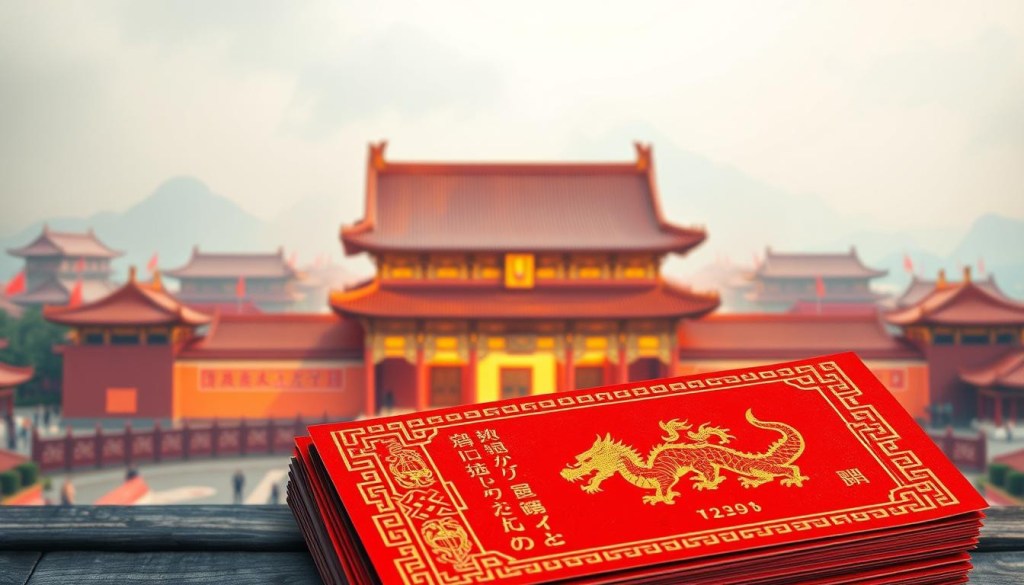
Architectural Marvels and Design
The imperial palace is a true marvel of Chinese architecture. It boasts stunning buildings, beautiful gardens, and intricate carvings. Its design follows the principles of Feng Shui, aiming for harmony and balance.
Visitors to the palace can marvel at its architecture. They’ll see intricate carvings, paintings, and ceramics. The palace is filled with notable buildings and structures, showcasing Chinese architecture at its finest.
- Grand halls with intricately carved roofs
- Serene gardens with beautifully designed walkways
- Intricately painted ceilings and walls
The imperial palace showcases the richness of Chinese architecture. It’s a symbol of Chinese heritage, inspiring wonder in visitors worldwide. Its stunning architecture and design make it a must-see for anyone interested in Chinese culture and history.
Cultural Treasures Within the Palace Museum
The Palace Museum is a gem inside the Forbidden City. It’s filled with Chinese cultural treasures. Visitors can see a wide range of artifacts and artworks that show China’s rich history and art.
One of the main attractions is the Qing dynasty ceramics. They are famous for their detailed designs and skill. The imperial robes on display also show the luxury of China’s past empires. The museum’s cultural treasures are a big reason why it’s so popular.
Some of the notable museum exhibits include:
- Ceramics from the Ming and Qing dynasties
- Paintings by famous Chinese artists
- Calligraphy and other artworks
The Palace Museum showcases China’s deep cultural heritage. Its exhibits reflect the country’s artistic and historical achievements. By visiting, you can learn more about Chinese culture and history. You’ll also see the beauty and importance of its cultural treasures.
Essential Tips for Exploring the Forbidden City in Beijing, China
The Forbidden City is a top spot in Beijing, but it can feel overwhelming. It’s key to plan well and know some travel tips. This ancient palace is a treasure trove of China’s past, making it a must-see for history buffs.
For a better visit, go early in the morning or late in the afternoon. These times help you dodge the crowds. You’ll also get to see the amazing buildings and gardens without the rush. Remember, there are rules about photography, like no flash or tripods in some spots.
Guided Tour Options and More
- Take a guided tour to learn more about the Forbidden City’s history and culture
- Explore the palace at your own pace, enjoying the architecture and gardens
- Try local food and drinks for a taste of Chinese culture
By following these tips and choosing the right times to visit, you’re set for a great time at the Forbidden City. It’s one of Beijing’s highlights, and you’ll remember it.
Modern Day Preservation and Restoration
The Forbidden City in Beijing, China, is a key cultural and historical treasure. Its preservation and restoration are crucial. The Chinese government has taken steps to protect and restore the palace complex. This includes setting up the Palace Museum and starting conservation projects.
China’s preservation efforts have kept the site intact. Restoration projects have also brought back the palace’s original grandeur.
Some important initiatives include:
- Conservation of ancient buildings and artifacts
- Restoration of traditional Chinese gardens and landscapes
- Development of educational programs and workshops to promote cultural heritage
Visitors can learn about these efforts and see the results. The Forbidden City shows China’s dedication to preserving its cultural heritage.
The restoration projects have been done with great care. They use traditional materials and techniques. They also consult historical records and experts.
This ensures the palace’s original character is kept. As a result, the Forbidden City remains a symbol of Chinese culture and history. Its preservation and restoration are vital to the country’s cultural heritage.
Conclusion: Embracing Imperial China’s Living Legacy
The Forbidden City in Beijing is a window into China’s past. It shows the country’s rich Chinese history and lasting imperial legacy. Visitors get to see the grandeur and traditions that have shaped China for centuries.
Inside the palace, you’ll find amazing architecture, symbols, and cultural treasures. These things connect you to China’s imperial times. By exploring this, you learn more about China’s culture and the lasting effects of its empires.
Visiting the Forbidden City is an experience you won’t forget. You can admire the stunning buildings, learn about its history, or just enjoy the atmosphere. The Forbidden City’s legacy continues to draw visitors from all over, leaving a lasting impression.
FAQ
What is the history and significance of the Forbidden City in Beijing, China?
The Forbidden City was the imperial palace of the Ming and Qing dynasties. It was the heart of Chinese politics, culture, and society for centuries. It’s a masterpiece of Chinese architecture and a symbol of the Chinese empire’s power and prestige.
The Forbidden City was named a UNESCO World Heritage Site in 1987. This recognition highlights its importance as a cultural and historical treasure.
How can I plan my visit to the Forbidden City?
Planning your visit to the Forbidden City is key to enjoying it fully. Buy your tickets in advance, online or at the palace entrance. You can also hire a guide or join a tour to learn more about the palace’s history and culture.
What are the architectural marvels and design elements of the Forbidden City?
The Forbidden City showcases Chinese architecture at its finest. It was designed with Feng Shui principles in mind. The palace has a symmetrical layout and balances yin and yang elements.
Visitors can see amazing buildings like the Hall of Supreme Harmony and the Imperial Garden. They can also admire the intricate carvings, paintings, and ceramics.
What cultural treasures can I find in the Palace Museum within the Forbidden City?
The Forbidden City is home to the Palace Museum. It has a vast collection of cultural treasures, including ceramics, paintings, and calligraphy. Visitors can explore the museum and see the stunning exhibits that showcase Chinese artistic and cultural achievements.
What are some essential tips for exploring the Forbidden City?
To fully enjoy your visit, follow some tips. Visit early in the morning or late in the afternoon when it’s less crowded. Be aware of photography rules, which ban flash and tripods.
Consider hiring a guide or joining a tour. They can offer valuable insights into the Forbidden City’s history and culture.
How is the Forbidden City being preserved and restored?
Preserving and restoring the Forbidden City is crucial. The Chinese government has taken steps to protect and restore the palace. This includes the Palace Museum and conservation projects.
Visitors can learn about these efforts and see the results firsthand.



Leave a Reply to जनशक्ति खबर Cancel reply