


Seoul, South Korea 💞
Discover the vibrant city of Seoul, where traditional culture meets modern innovation. As a hub of South Korea tourism, Seoul offers an array of experiences that cater to all interests.

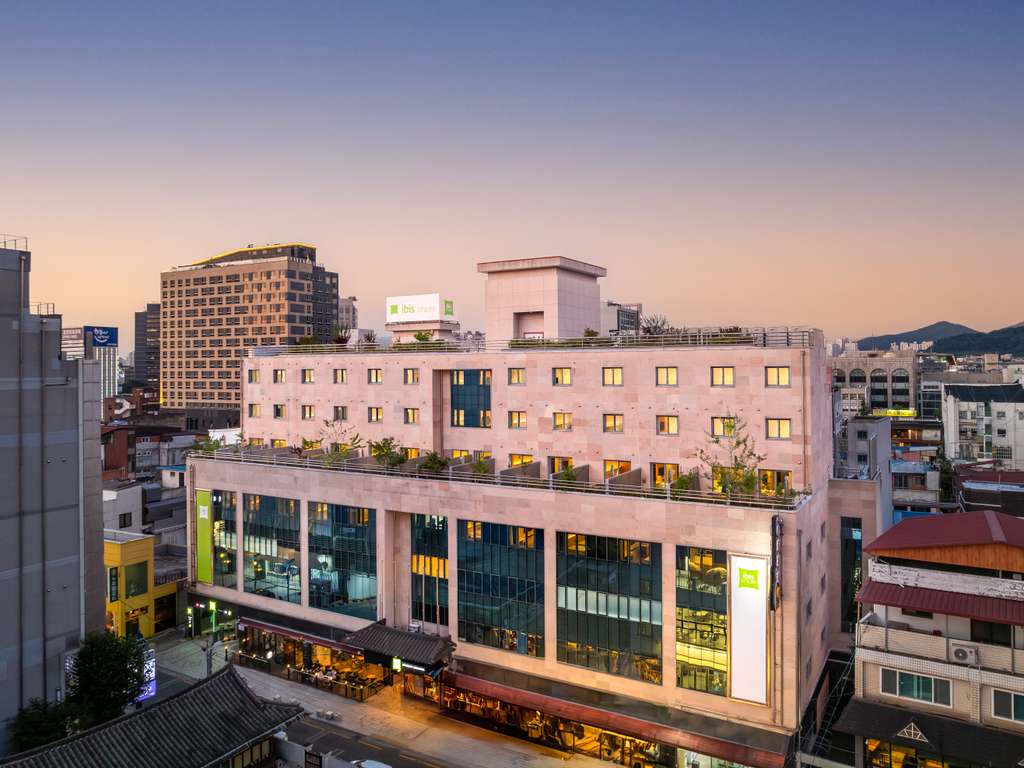

From savoring the city’s renowned food scene, which blends traditional Korean cuisine with international flavors, to staying in luxurious hotels that offer comfort and convenience, Seoul has something for everyone.
Explore the city’s dynamic culture, visit historical landmarks, and enjoy the modern attractions that make Seoul a must-visit destination.
Key Takeaways
- Explore Seoul’s vibrant culture and modern attractions.
- Experience the city’s renowned food scene.
- Stay in luxurious hotels that offer comfort and convenience.
- Visit historical landmarks and cultural sites.
- Enjoy shopping and entertainment options.
Discovering Seoul: South Korea’s Dynamic Capital
Seoul, the vibrant capital of South Korea, is a city where ancient traditions and modern innovations blend seamlessly. This dynamic city is a must-visit destination for travelers interested in exploring a rich cultural heritage alongside cutting-edge technology and modern attractions.
Brief History and Cultural Significance
Seoul’s history dates back over 2,000 years, with a cultural significance that is deeply rooted in Korean heritage. The city has been a capital since the Joseon Dynasty, with many historical sites still intact today, such as Gyeongbokgung Palace and Bukchon Hanok Village. These sites offer a glimpse into the city’s storied past and its importance in Korean culture.
Seoul’s Unique Blend of Tradition and Modernity
One of Seoul’s most striking features is its ability to blend traditional and modern elements. Visitors can explore ancient temples and palaces, then experience the city’s modern side by visiting areas like Myeong-dong and Gangnam, known for their shopping, dining, and entertainment. This unique blend makes Seoul a fascinating destination for travelers from around the world.
The city’s modern infrastructure, including its efficient public transportation system and innovative technology, complements its historical and cultural landmarks, creating a truly dynamic and engaging travel experience.
Planning Your Trip to Seoul
Planning a trip to Seoul requires some preparation to ensure a smooth and enjoyable journey. With its rich history, cultural landmarks, and modern attractions, Seoul is a city that has something for everyone.
Best Time to Visit Seoul
The best time to visit Seoul is during the spring (March to May) and autumn (September to November), when the weather is mild and comfortable. These seasons offer the perfect conditions for exploring the city’s outdoor attractions, such as Namsan Park and Bukchon Hanok Village. Summer can be hot and humid, while winters are cold, so it’s essential to pack accordingly.
Visa Requirements for American Travelers
For American travelers, visa requirements are relatively straightforward. U.S. citizens can enter South Korea for tourism or business purposes for up to 90 days without a visa. However, it’s crucial to ensure your passport is valid for at least six months beyond your planned departure date from South Korea.
Currency and Budget Considerations
The local currency in Seoul is the South Korean Won (KRW). While credit cards are widely accepted, having some local currency for small purchases and traditional markets is advisable. Budget planning should consider accommodation costs, food, transportation, and attractions. Eating at local markets and using public transport can help keep costs manageable.
By considering these factors, you can plan a trip to Seoul that’s both enjoyable and stress-free. Whether you’re interested in history, culture, or entertainment, Seoul has something to offer, making it a great destination for travelers.
Getting to and Around Seoul
Getting to Seoul is hassle-free, with numerous international flights arriving at Incheon Airport daily. Incheon Airport is one of the busiest airports in the world and serves as the primary gateway to Seoul.
International Flights to Incheon Airport
Incheon International Airport is well-connected to major cities worldwide, offering a wide range of international flights. Travelers can easily find direct or connecting flights to Seoul from most major airlines.
Flight Information can be found on the Incheon Airport website or through airline apps. It’s advisable to book flights in advance to secure the best rates.
Seoul’s Efficient Public Transportation System
Seoul’s public transportation system is renowned for its efficiency and convenience. The city boasts an extensive network of subways and buses, making it easy to get around.
| Transportation Mode | Features | Benefits |
|---|---|---|
| Subway | Comprehensive network, frequent services | Convenient, cost-effective |
| Bus | Extensive route coverage, affordable fares | Efficient, budget-friendly |
Transportation Apps and T-Money Cards
To navigate Seoul’s public transportation system, travelers can utilize transportation apps like Naver Maps or KakaoMap, which provide real-time information and route guidance. Additionally, T-Money cards can be used to pay for fares on subways and buses, offering a convenient and cashless travel experience.
By leveraging these tools, visitors can easily explore Seoul without worrying about language barriers or payment hassles.
Where to Stay in Seoul: Neighborhoods and Accommodations
Choosing the right neighborhood and accommodation is crucial for a comfortable stay in Seoul. The city offers a wide range of options to suit different preferences and budgets.
Luxury Hotels
Seoul is home to numerous luxury hotels that offer world-class amenities and services. These hotels are often located in prime areas, providing easy access to major attractions. Some of the top luxury hotels include the Shilla Seoul and the Grand Hyatt Seoul. These establishments are known for their exceptional service, elegant decor, and comprehensive facilities.
Mid-Range Accommodations
For travelers on a moderate budget, mid-range accommodations in Seoul offer a balance between comfort and affordability. Hotels like the Lotte City Hotel and Novotel Seoul provide comfortable rooms, convenient locations, and essential amenities at reasonable prices.
Budget-Friendly Options and Guesthouses
Backpackers and budget-conscious travelers can find a variety of budget-friendly options and guesthouses throughout Seoul. Areas like Myeongdong and Hongdae are popular for their affordable guesthouses and hostels, offering a chance to experience the local culture firsthand.
Best Neighborhoods for Tourists
Seoul’s diverse neighborhoods cater to different interests and preferences. Here are some of the best areas for tourists:

Myeongdong and Dongdaemun are shopping paradises, offering everything from high-end fashion to local street food. Visitors can enjoy the bustling streets, visit famous markets, and shop till they drop.
Hongdae for Nightlife and Youth Culture
Hongdae is renowned for its vibrant nightlife, indie music scene, and street art. It’s a hub for young travelers looking to experience Seoul’s energetic youth culture.
Gangnam for Luxury Experiences
The Gangnam area is synonymous with luxury and sophistication. It’s a great place to stay for those looking for high-end shopping, dining, and entertainment.
Insadong and Bukchon for Traditional Korean Culture
For a taste of traditional Korea, Insadong and Bukchon are ideal. These neighborhoods offer a glimpse into the country’s rich cultural heritage, with traditional tea houses, street performers, and historic architecture.
Your Step-by-Step Travel Guide to Seoul, South Korea: Learn About Food, Hotels and Cultural Experiences
Discover the rich culinary landscape of Seoul, a city that seamlessly blends heritage with innovation. Seoul’s food scene is a vibrant reflection of its cultural identity, offering a diverse range of culinary experiences that cater to all tastes and preferences.
Korean Cuisine: Must-Try Dishes in Seoul
Seoul is a paradise for food lovers, with a plethora of dishes that showcase the depth and variety of Korean cuisine. From spicy street food to sophisticated fine dining, the city offers a culinary journey like no other.
Street Food Adventures
Seoul’s streets are lined with vendors serving delicious street food, from crispy hotteok (sweet pancakes) to spicy tteokbokki (rice cakes). These affordable and mouth-watering options are a great way to experience the local culture.
Traditional Korean BBQ Experiences
Korean BBQ is a must-try experience in Seoul. Restaurants like Hanilkwan and Gwangjang offer an immersive dining experience where you can grill marinated meats to perfection.
Temple Food and Vegetarian Options
For those looking for vegetarian or vegan options, temple food is a great choice. Restaurants like Saryang Temple and Jungsik offer menus inspired by Buddhist cuisine, focusing on locally sourced ingredients.
Modern Korean Fusion Restaurants
Seoul is also home to a thriving modern Korean cuisine scene, with restaurants like Nari and Mame & Boo offering innovative fusion dishes that blend traditional flavors with international twists.
Food Markets and Dining Districts
Seoul is home to numerous food markets and dining districts, each offering a unique culinary experience. These markets are not just places to eat but also cultural hubs that showcase the city’s vibrant food culture.
Gwangjang Market for Authentic Street Food
Gwangjang Market is one of the oldest traditional markets in Seoul, famous for its bindaetteok (mung bean pancake) and mayak gimbap (addictive seaweed rice rolls).
Noryangjin Fish Market for Seafood Lovers
Noryangjin Fish Market is a paradise for seafood enthusiasts. You can enjoy fresh seafood at the market’s restaurants or take some back to your accommodation.
Tongin Market and the Dosirak Experience
Tongin Market is a charming market where you can experience dosirak (Korean lunchbox meal) at one of its many eateries, offering a variety of traditional Korean dishes.
Myeongdong Food Street
Myeongdong Food Street is a bustling dining district known for its street food, from hotteok to bungeo-ppang (fish-shaped pastry).
| Market/District | Specialty | Location |
|---|---|---|
| Gwangjang Market | Bindaetteok, Mayak Gimbap | Jongno-gu |
| Noryangjin Fish Market | Fresh Seafood | Dongjak-gu |
| Tongin Market | Dosirak (Korean Lunchbox) | Jongno-gu |
| Myeongdong Food Street | Street Food (Hotteok, Bungeo-ppang) | Jung-gu |
Korean Dining Etiquette and Tips
Understanding dining etiquette is crucial when experiencing Korean cuisine. Here are some tips to enhance your dining experience.
When dining, it’s customary to wait for the eldest person to start eating before you begin. Chopsticks and spoons are used for eating, with chopsticks being used for picking up food and spoons for soups and rice.
Additionally, it’s considered polite to try a bit of everything on the table, especially when dining with others. Don’t be afraid to ask your server or the chef for recommendations, as they are usually happy to guide you through the menu.
Top Attractions and Activities in Seoul
From historical sites to modern experiences, Seoul offers a diverse range of activities that cater to all interests. The city’s rich cultural heritage, combined with its modern attractions, makes it a fascinating destination for travelers.
Historical and Cultural Sites
Seoul is home to numerous historical and cultural sites that showcase its rich heritage. One of the most iconic landmarks is Gyeongbokgung Palace, the largest of the Five Grand Palaces built during the Joseon Dynasty. Visitors can witness the Changing of the Guard ceremony, a spectacle that highlights the palace’s historical significance.
Gyeongbokgung Palace and Changing of the Guard
Gyeongbokgung Palace is a must-visit attraction in Seoul, offering a glimpse into the city’s royal past. The Changing of the Guard ceremony is a daily event that takes place at the palace gate.
Bukchon Hanok Village
Bukchon Hanok Village is a traditional Korean village filled with hanok (traditional Korean houses). Visitors can explore the narrow alleys, visit museums, and experience traditional tea houses.
N Seoul Tower and Namsan Park
N Seoul Tower, located on Namsan Mountain, offers panoramic views of the city. Visitors can enjoy the tower’s observation decks, as well as the surrounding Namsan Park, which is perfect for hiking and picnics.
War Memorial of Korea
The War Memorial of Korea is a museum that commemorates the country’s military history. The memorial features exhibits on various wars, including the Korean War, and honors the sacrifices of Korean soldiers.
| Historical Site | Location | Description |
|---|---|---|
| Gyeongbokgung Palace | Jongno-gu | Largest of the Five Grand Palaces built during the Joseon Dynasty |
| Bukchon Hanok Village | Jongno-gu | Traditional Korean village with hanok houses, museums, and tea houses |
| N Seoul Tower | Yongsan-gu | Communication tower with observation decks and panoramic views |
Modern Seoul Experiences
Seoul is not just about history; it’s also a city that embraces modernity. Visitors can enjoy shopping in districts like Myeongdong and Dongdaemun, which offer a wide range of fashion, cosmetics, and local cuisine.
Shopping in Myeongdong and Dongdaemun
Myeongdong is known for its fashion and cosmetics, while Dongdaemun is famous for its night markets and wholesale shopping. Both districts are must-visit destinations for shopaholics.
K-Pop and Korean Entertainment
Seoul is the hub of K-Pop and Korean entertainment. Fans can visit the SM Entertainment building, attend a concert at the Gocheok Sky Dome, or explore the K-Star Road, which is dedicated to K-Pop stars.
Lotte World is one of Seoul’s largest amusement parks, featuring roller coasters, water rides, and an ice rink. Visitors can also enjoy shopping and dining at the Lotte World Mall.
Han River Parks and Activities
The Han River is a popular destination for outdoor activities, including cycling, kayaking, and picnicking. The riverbanks are lined with parks and walking trails, making it a great place to relax and enjoy nature.
Day Trips from Seoul
Seoul’s strategic location makes it an ideal base for exploring surrounding areas. Visitors can take day trips to destinations like the Demilitarized Zone (DMZ), Suwon Hwaseong Fortress, Nami Island, and Bukhansan National Park.
DMZ Tours
The DMZ is the buffer zone between North and South Korea. Visitors can take guided tours to explore the Joint Security Area, the Third Tunnel, and other significant sites.
Suwon Hwaseong Fortress
Suwon Hwaseong Fortress is a UNESCO World Heritage Site and a well-preserved example of Korean architecture. Visitors can walk along the fortress walls and explore the surrounding town.
Nami Island
Nami Island is a peaceful retreat from the city, known for its beautiful gardens, sculptures, and romantic atmosphere. Visitors can take a ferry to the island and enjoy outdoor activities like cycling and hiking.
Bukhansan National Park
Bukhansan National Park is a popular destination for hiking and outdoor activities. The park features scenic trails, temples, and stunning views of the surrounding mountains.
| Day Trip Destination | Location | Description |
|---|---|---|
| DMZ | Paju | Buffer zone between North and South Korea, with guided tours |
| Suwon Hwaseong Fortress | Suwon | UNESCO World Heritage Site and well-preserved Korean fortress |
| Nami Island | Chuncheon | Peaceful island with gardens, sculptures, and outdoor activities |
Seasonal Events and Festivals in Seoul
From spring to winter, Seoul hosts a diverse range of seasonal events and festivals that attract visitors from around the world. These events showcase the city’s rich cultural heritage and offer something for everyone to enjoy.
Spring: Cherry Blossom Festivals
Spring in Seoul is synonymous with the beautiful cherry blossom festivals. Popular spots like Jinhae and Yeouido host these festivals, attracting large crowds. The blossoms create a picturesque landscape, making it a perfect time for outdoor activities and photography.
Summer: Seoul Lantern Festival and Outdoor Activities
Summer brings the vibrant Seoul Lantern Festival, where the Cheonggyecheon Stream is illuminated with stunning lanterns. This festival is a must-visit, offering a unique and breathtaking experience. Additionally, summer is ideal for outdoor activities like visiting the city’s many parks and participating in water sports.
Fall: Autumn Foliage and Chuseok
Autumn in Seoul is characterized by the autumn foliage, with many parks and mountains turning into kaleidoscopes of color. The city also celebrates Chuseok, a traditional harvest festival, where visitors can experience traditional Korean culture, food, and folk games.
Winter: Christmas and New Year Celebrations
Winter in Seoul is festive, with Christmas and New Year celebrations taking center stage. The city is adorned with lights and decorations, and many shopping districts host special events and sales. It’s a great time to enjoy ice skating, visit winter markets, and experience the city’s holiday atmosphere.
In conclusion, Seoul’s seasonal events and festivals are a reflection of the city’s dynamic spirit and cultural richness. Whether you’re visiting in spring, summer, fall, or winter, there’s always something exciting to look forward to.
Practical Tips for Visiting Seoul
As you plan your trip to Seoul, understanding the city’s nuances can greatly enhance your travel experience. From navigating the language barrier to staying connected with internet access, being prepared is key to a smooth journey.
Language Barrier and Communication Tips
While many Koreans speak some English, especially in tourist areas, learning a few basic Korean phrases can go a long way. Downloading a translation app on your smartphone can also help bridge the language gap. Consider carrying a phrasebook or using a service like Naver Translate to assist with more complex interactions.
Key phrases to learn include: “hello” (annyeonghaseyo), “thank you” (gamsahamnida), and “excuse me” (jeoneun).
Internet Access and Useful Apps
Seoul is a connected city with widespread internet access. Many cafes and public areas offer free Wi-Fi. Downloading essential apps like Naver Maps and T-Money can significantly enhance your navigation and travel experience. Naver Maps is particularly useful for understanding public transportation options and finding local attractions.

Safety and Health Considerations
Seoul is generally a safe city, but as with any major metropolitan area, it’s wise to take normal precautions to protect yourself and your belongings. Be mindful of pickpocketing in crowded areas and avoid carrying large amounts of cash. For health considerations, ensure you have any necessary vaccinations before travel and consider purchasing travel insurance that covers medical expenses.
Cultural Etiquette for American Visitors
Understanding and respecting local customs can enrich your experience. For example, bowing is a common greeting, and using both hands when giving or receiving something is considered polite. Being mindful of these cultural nuances can help you navigate social interactions with grace and respect.
Conclusion: Making the Most of Your Seoul Adventure
As you plan your trip to Seoul, South Korea, you’re about to embark on a journey that seamlessly blends tradition with modernity. With its rich history, vibrant culture, and cutting-edge technology, Seoul is a city that will captivate your senses and leave you wanting more. To make the most of your Seoul adventure, be sure to explore the city’s hidden gems, from historic palaces to trendy neighborhoods like Myeong-dong and Hongdae.
By following the Seoul travel tips outlined in this guide, you’ll be well-equipped to navigate the city’s efficient public transportation system, indulge in delicious Korean cuisine, and experience the best of Seoul’s cultural attractions. Whether you’re a foodie, a history buff, or an adventure-seeker, Seoul has something for everyone. So, get ready to immerse yourself in the city’s infectious energy and make the most of your Seoul visit.
FAQ
What is the best time to visit Seoul, South Korea?
The best time to visit Seoul is during the spring (March to May) and autumn (September to November), when the weather is mild and comfortable. These periods are ideal for outdoor activities and sightseeing.
Do I need a visa to travel to Seoul, South Korea as an American?
As an American, you can visit South Korea for up to 90 days without a visa for tourism or business purposes. However, it’s always best to check the latest visa requirements before your trip.
What is the currency used in Seoul, and can I use credit cards?
The official currency of South Korea is the Korean Won (KRW). While many places in Seoul, especially restaurants, shops, and hotels, accept credit cards, it’s still a good idea to have some local currency for smaller purchases and traditional markets.
How do I get around Seoul, and what is the most efficient transportation method?
Seoul has an efficient public transportation system, including subways and buses. The subway is particularly convenient, with English signage and announcements. You can also use T-Money cards or transportation apps for easy travel.
What are some must-try dishes when visiting Seoul?
Seoul offers a variety of delicious Korean dishes, including Bibimbap, Bulgogi, Kimchi Stew, and Japchae. Be sure to try some street food, such as Tteokbokki and Hotteok, and experience traditional Korean BBQ.
Are there any cultural etiquette tips I should know when visiting Seoul?
When visiting Seoul, it’s polite to bow upon greeting, remove your shoes when entering traditional Korean homes or some temples, and use both hands when giving or receiving something. Also, be respectful of elders and follow local customs.
What are some popular seasonal events and festivals in Seoul?
Seoul hosts various seasonal events, including the Cherry Blossom Festivals in spring, the Seoul Lantern Festival in summer, autumn foliage, and Chuseok celebrations, and Christmas and New Year festivities in winter.
What are some safety tips for visiting Seoul?
Seoul is generally a safe city, but it’s always a good idea to take normal precautions to protect yourself and your belongings, especially in crowded areas. Be aware of pickpocketing, and avoid carrying large amounts of cash.
Can I use English in Seoul, or should I learn some basic Korean phrases?
While many younger Koreans and those in the service industry speak some English, it’s still helpful to learn basic Korean phrases like “hello” (annyeonghaseyo), “thank you” (gamsahamnida), and “excuse me” (jeolyeo). This can enhance your experience and show respect for the culture.
What are some day trip options from Seoul?
There are several day trip options from Seoul, including the Demilitarized Zone (DMZ), Suwon Hwaseong Fortress, Nami Island, and Bukhansan National Park. These destinations offer a mix of history, culture, and natural beauty.


Leave a Reply to CBD Roll On Cancel reply